
Science Hub
The science behind
the protocol.
Research, mechanisms, and clinical context for the compounds in the Biohackr.Labs range. Written for clients who want to understand what they are using and why it works.
Editorial standard
Biohackr.Labs does not treat every published paper as equal evidence. Research should be considered according to study design, human relevance, methodological strength and identified limitations.
Peptide Science & Education

What Are Peptides?
Peptides are short chains of amino acids that act as biological signals in the body. This article explains what peptides are, how they differ from supplements, steroids, and pharmaceuticals, why the GLP-1 wave changed public awareness, and why quality and dose always matter.
How to Use a Peptide Pen Safely
A clear, safety-led guide to using a peptide pen: verify the device, prepare a clean workspace, fit a fresh needle, confirm the dose, follow the device instructions, and dispose of sharps correctly.
Weight Management & Metabolic
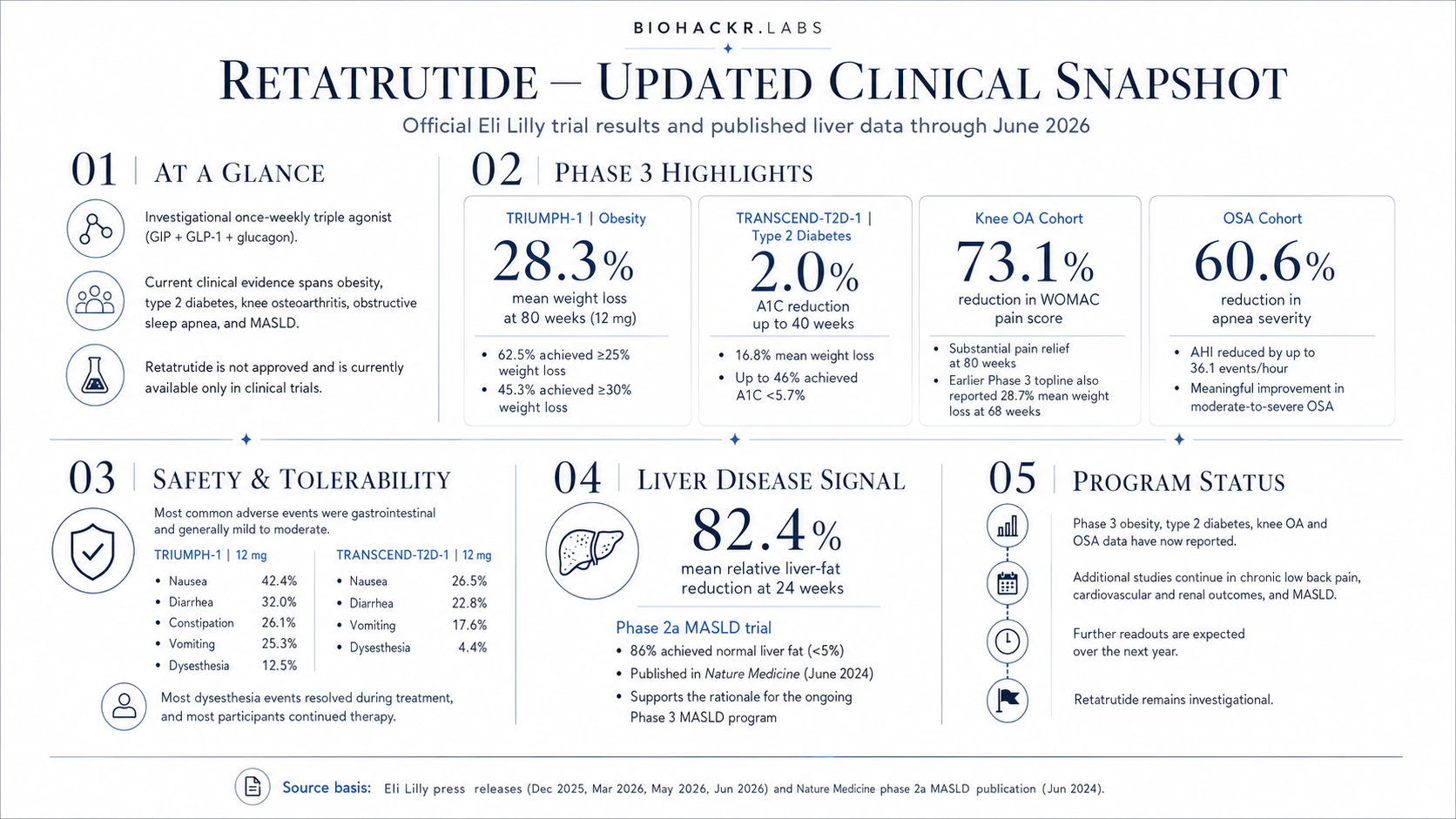
Retatrutide: The First Triple Agonist
Retatrutide is the first compound to activate GLP-1, GIP, and glucagon receptors simultaneously — producing weight loss outcomes that exceed any single or dual agonist compound currently available.
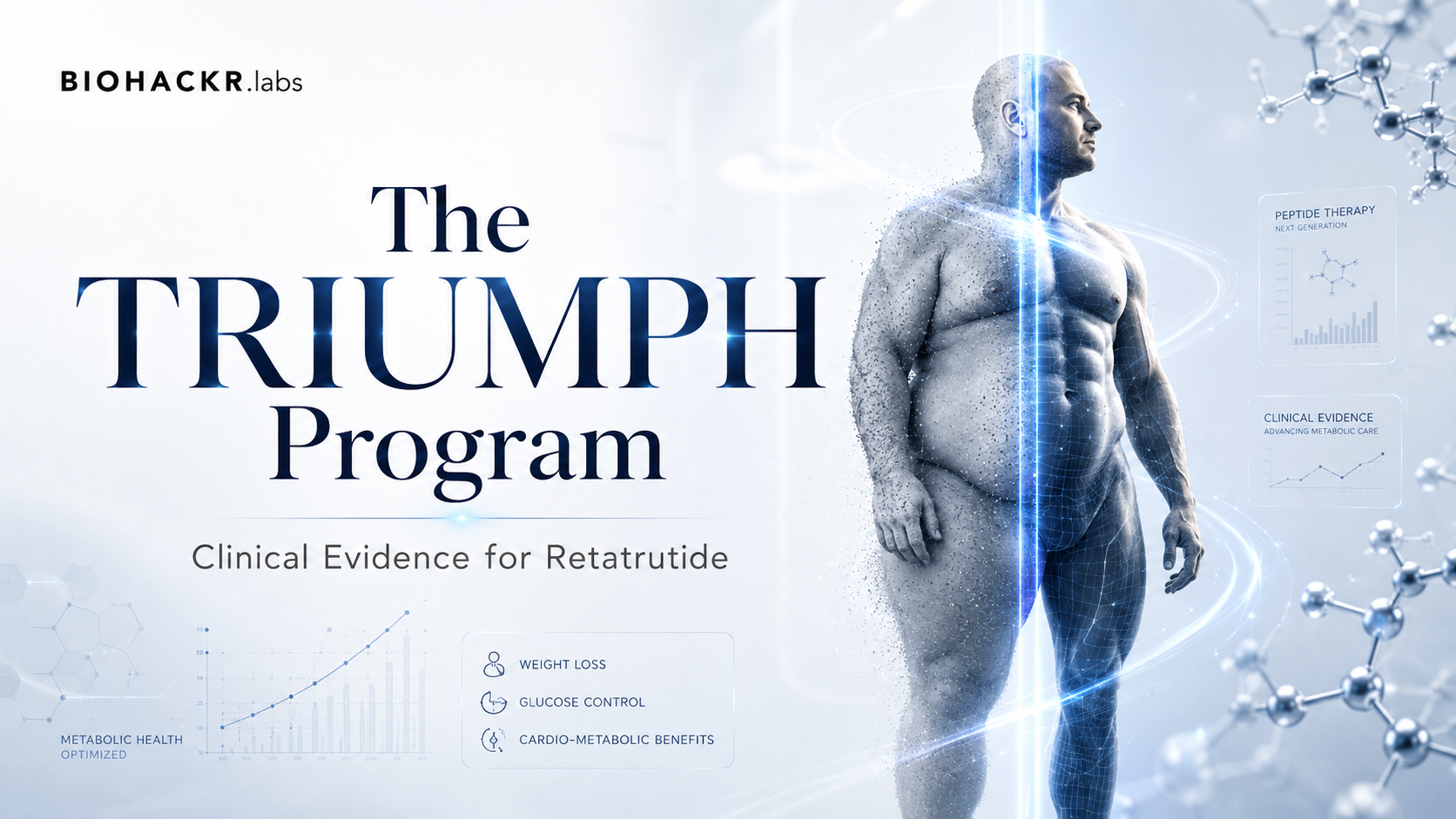
The TRIUMPH Program: Clinical Evidence for Retatrutide
The TRIUMPH program is Eli Lilly's Phase 3 clinical trial series for retatrutide. Multiple trials across diverse patient populations are producing consistent weight loss data significantly above prior GLP-1 class compounds.
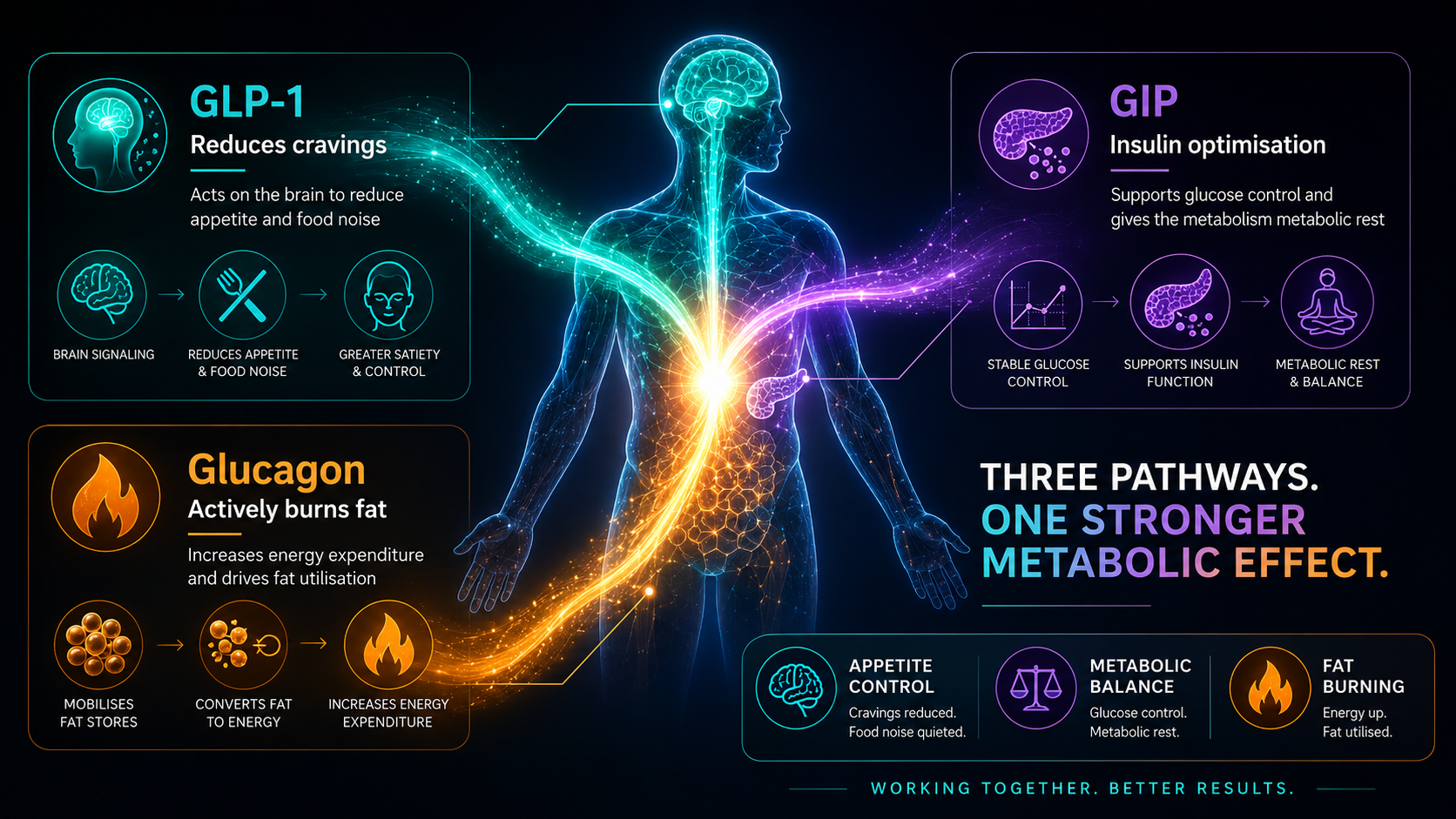
GLP-1, GIP, and Glucagon: The Triple Mechanism Explained
Three receptors, three distinct mechanisms, one compound. This article explains what each receptor does, why the combination matters, and how the glucagon pathway makes retatrutide uniquely different from anything that came before it.
Recovery & Tissue Repair
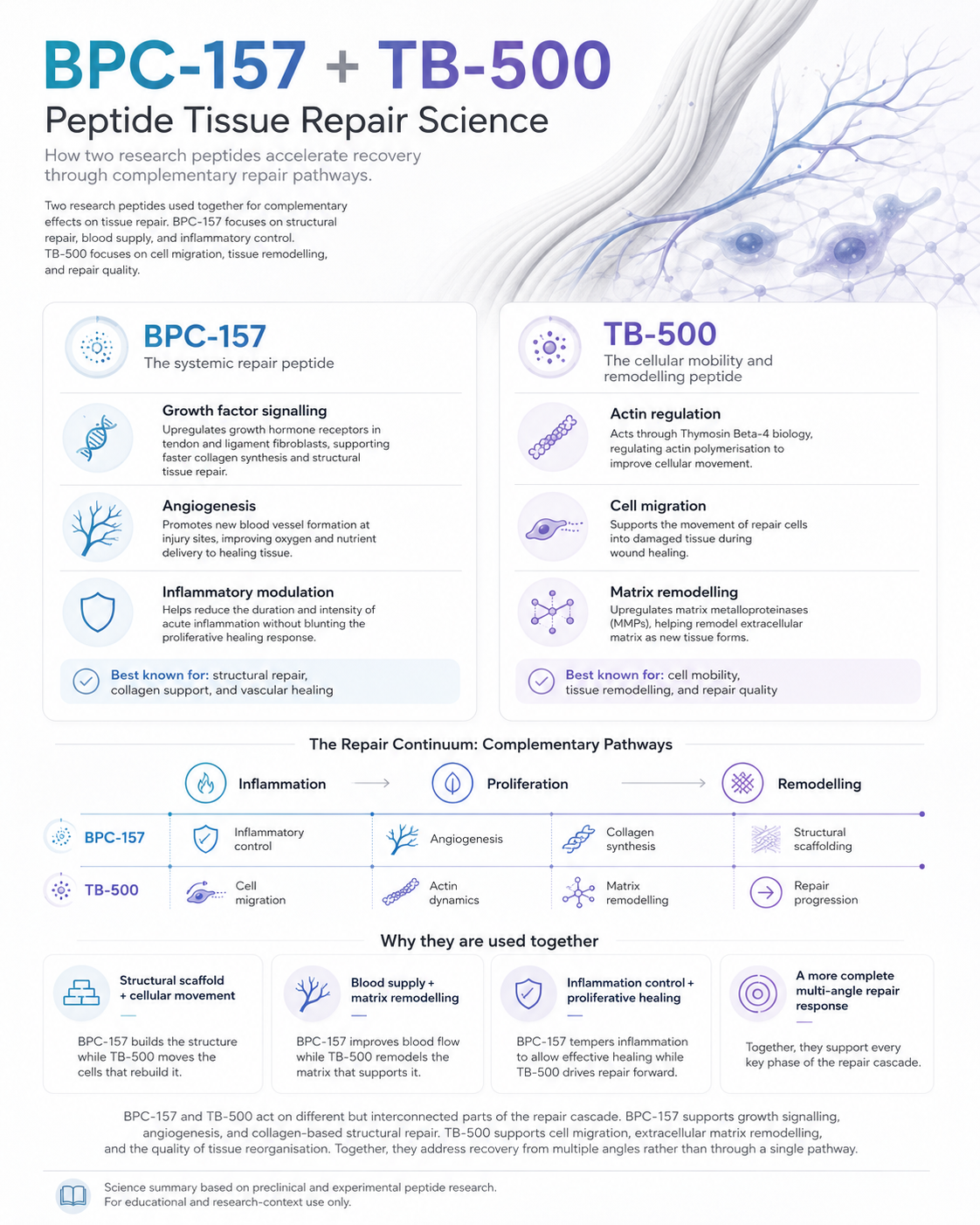
BPC-157 and TB-500: Peptide Tissue Repair Science
BPC-157 and TB-500 are two of the most studied recovery peptides in the biohacking community, with distinct but complementary mechanisms for tissue repair, inflammation management, and angiogenesis.
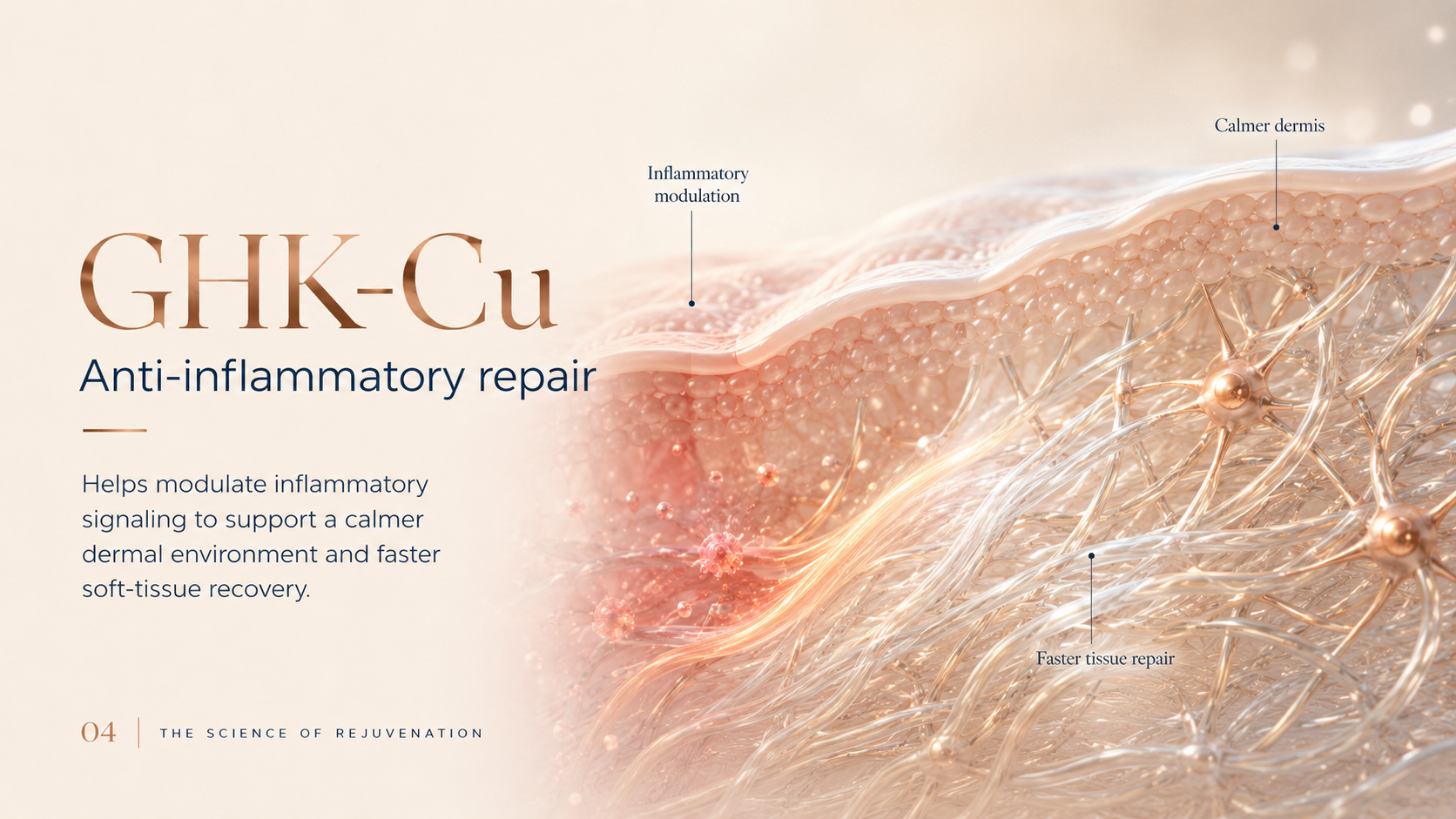
GHK-Cu: The Copper Peptide for Skin and Tissue Regeneration
GHK-Cu (copper peptide) is one of the best-researched peptides for skin quality and tissue regeneration. Its mechanism involves the upregulation of collagen, elastin, and a broad range of cellular repair genes.
Cognitive & Cellular Performance
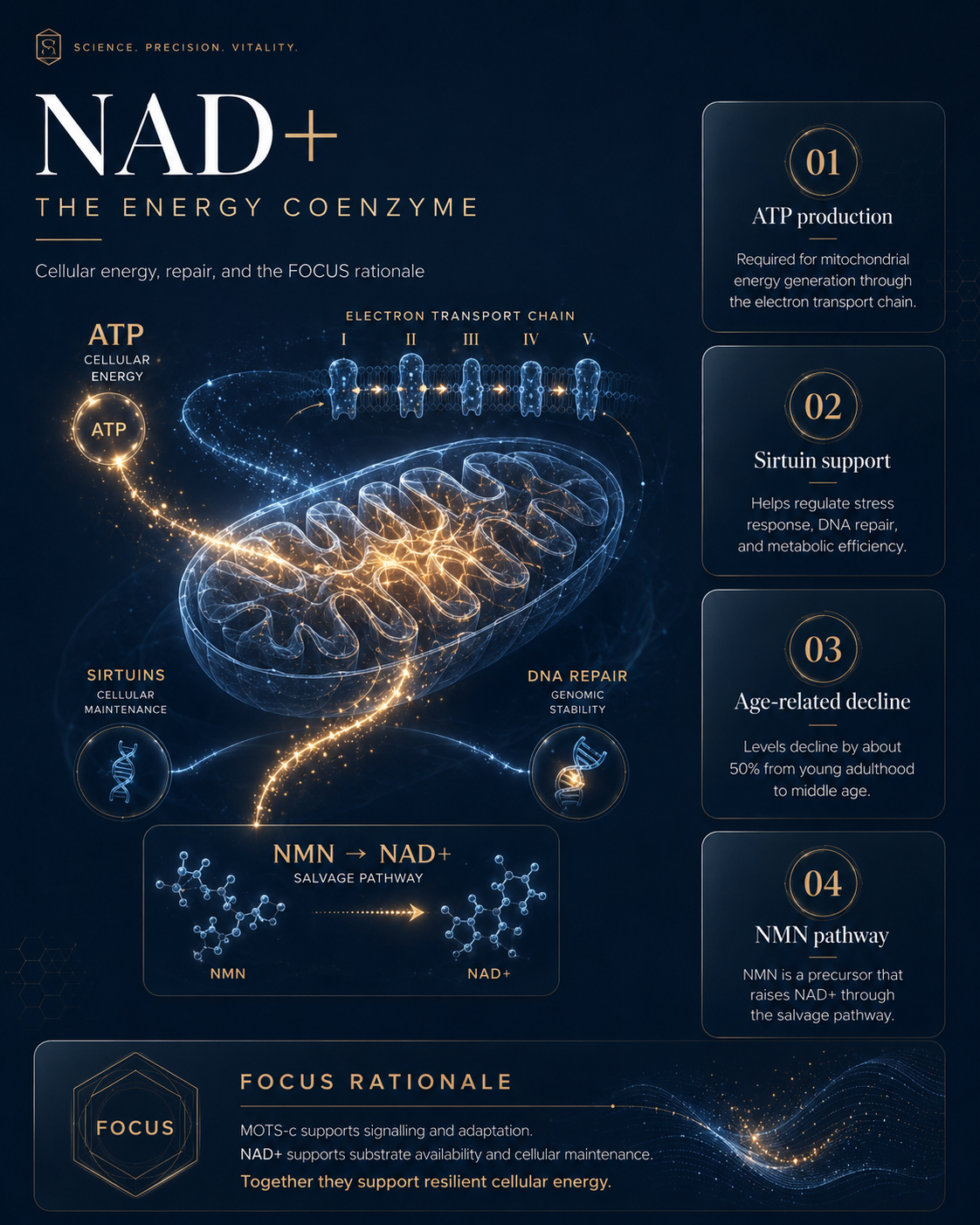
Hormonal & Growth Hormone Support
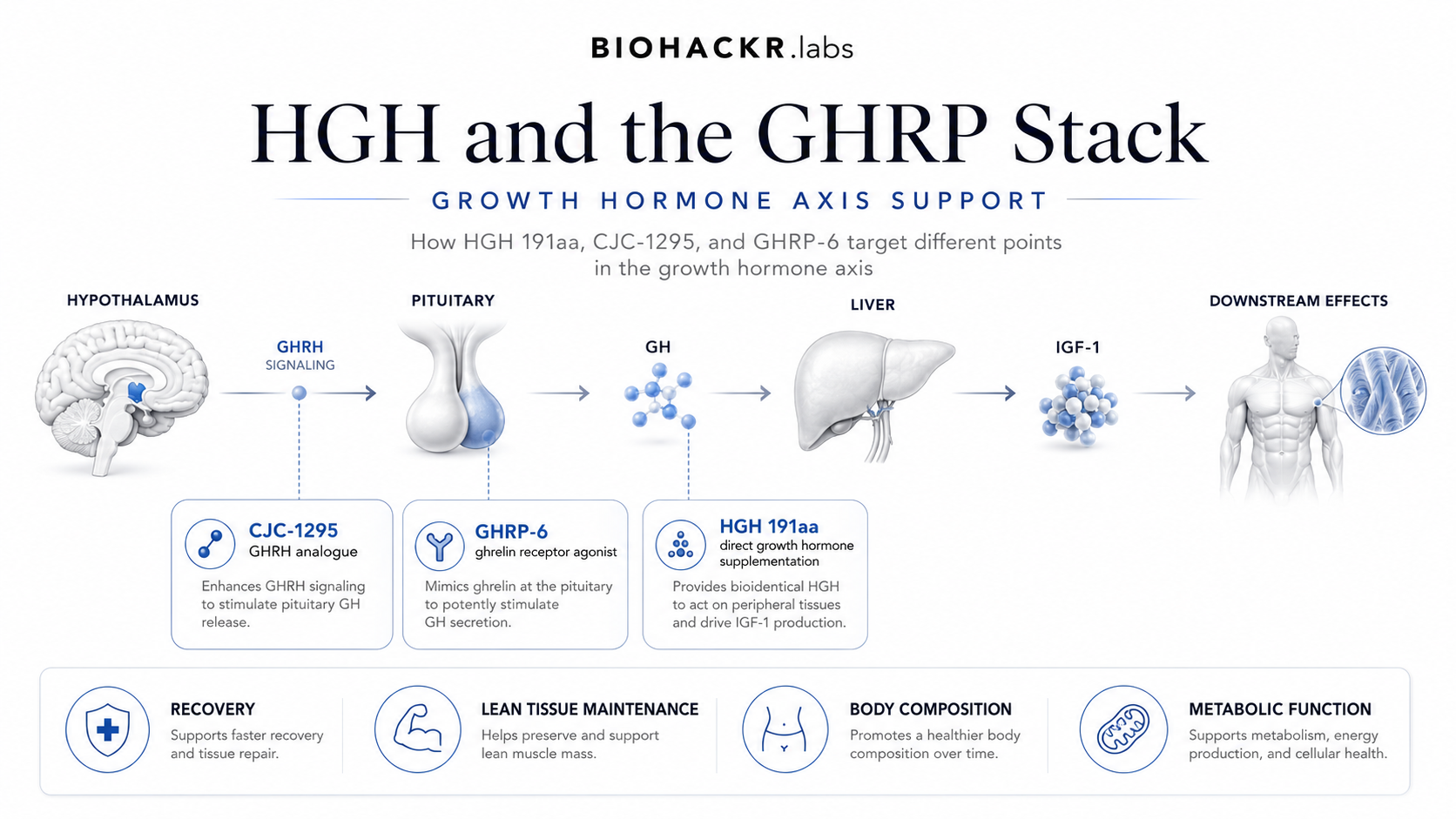
HGH and the GHRP Stack: Growth Hormone Axis Support
The growth hormone axis can be targeted at multiple points — directly with HGH 191aa, or through secretagogues (CJC-1295, GHRP-6) that stimulate the body's own GH production. Both approaches have distinct profiles and are suited to different protocol goals.
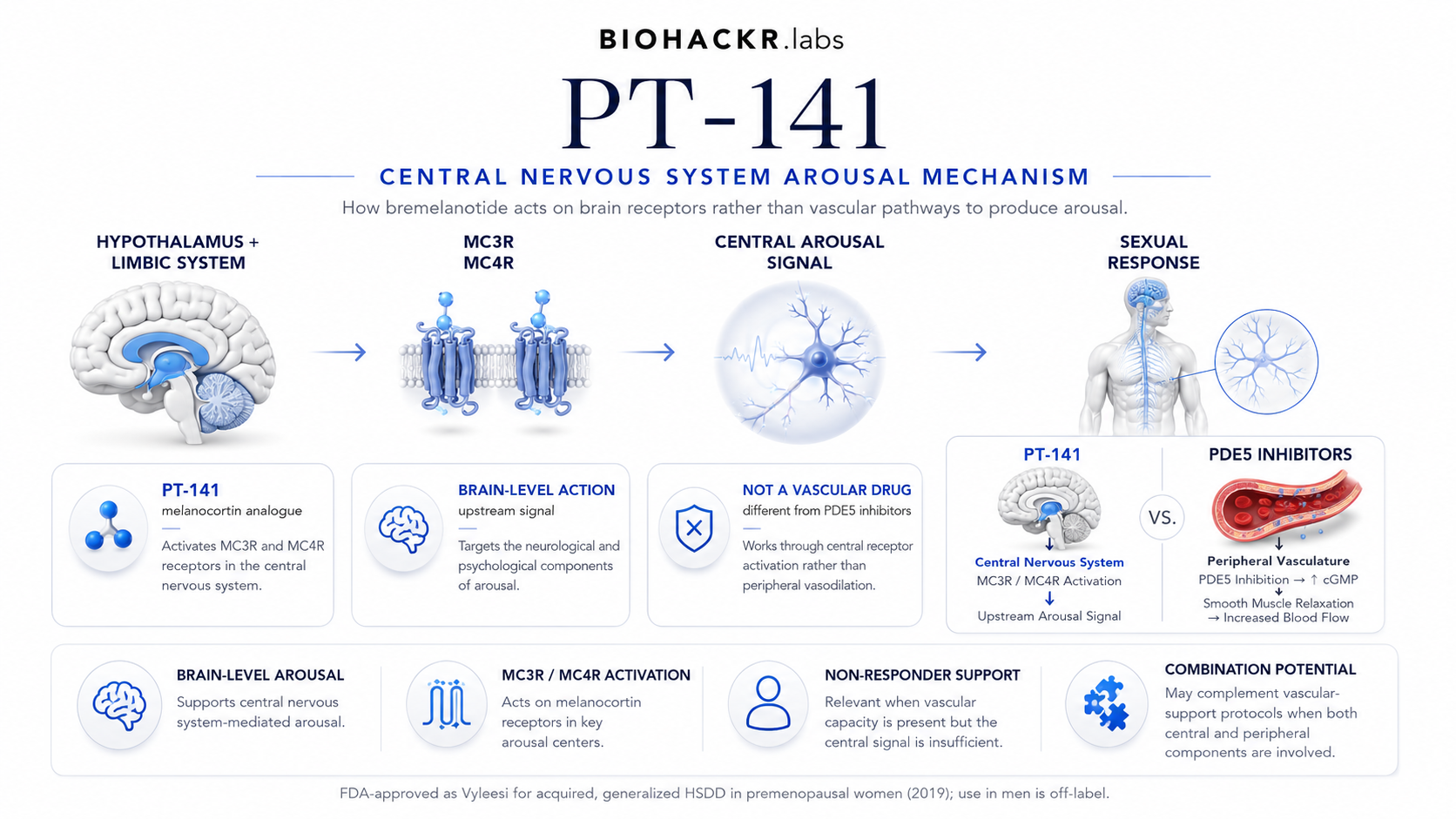
PT-141: Central Nervous System Arousal Mechanism
PT-141 (bremelanotide) is the only arousal compound that acts centrally — on melanocortin receptors in the brain — rather than on peripheral vascular pathways. This makes it distinct from PDE5 inhibitors in mechanism, use case, and the population of non-responders it reaches.
CORE Male Performance
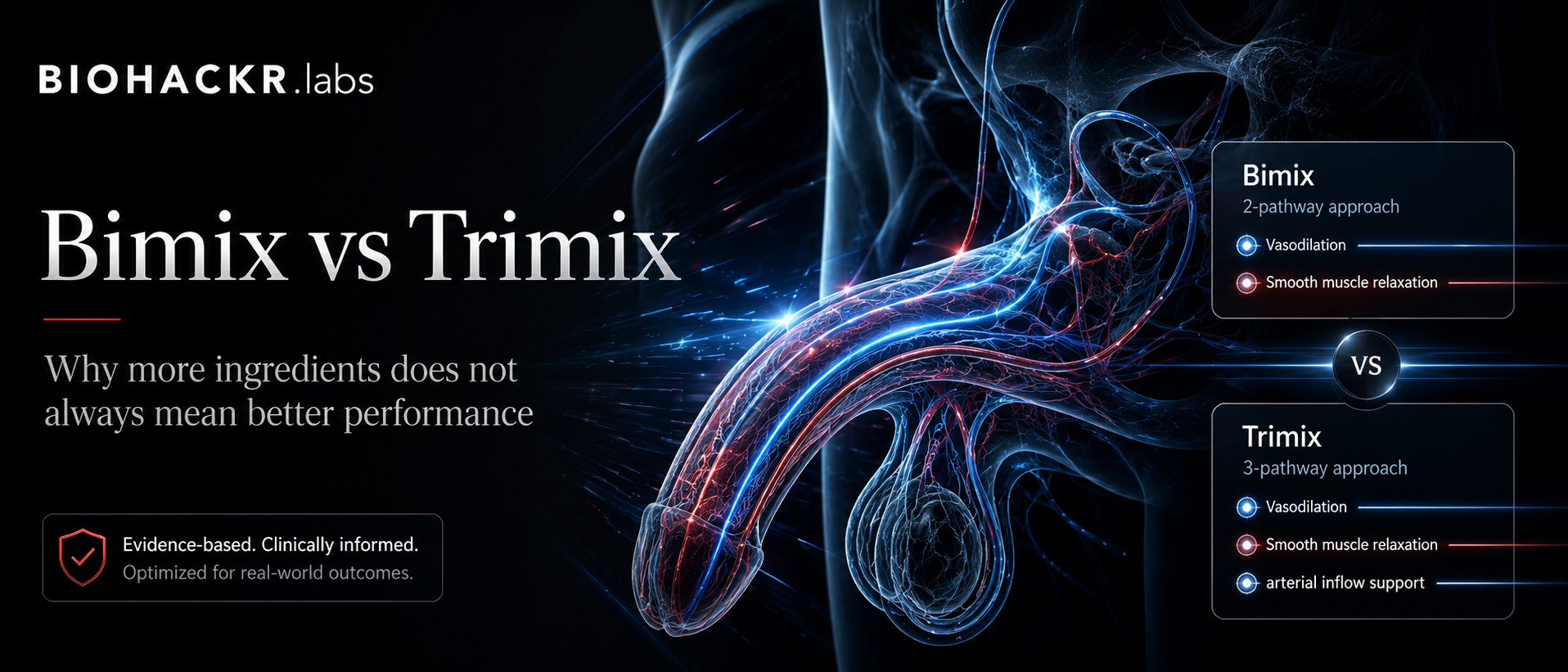
Bimix vs Trimix: Why More Ingredients Does Not Always Mean Better Performance
Bimix vs Trimix guide for Thailand: compare mechanism, comfort, storage, clinical evidence, and how Biohackr.Labs CORE, CORE+, and ULTRA translate that science into reviewed private access.

ED Injection Therapy in Thailand: Bimix, Trimix, and Reviewed Private Access
A safety-first Thailand guide to ED injection therapy, including what intracavernosal injection means, how Bimix and Trimix differ, why reviewed access matters, and what prolonged-response planning should include.

Post-Surgery and Neurogenic ED: Why Intracavernosal Therapy Is the Clinical Standard
Post-surgery and neurogenic erectile dysfunction are often caused by disrupted nerve signaling, vascular changes, and tissue inactivity. This article explains why intracavernosal therapy remains a clinical standard when oral ED medication is unreliable or insufficient.
Travel With Bimix or Trimix in Thailand
A practical Thailand guide to travelling with Bimix or Trimix, explaining why CORE Bimix formulas and Trimix-style formulas have different handling needs, what to ask before delivery, and when to choose LINE or My Account support.
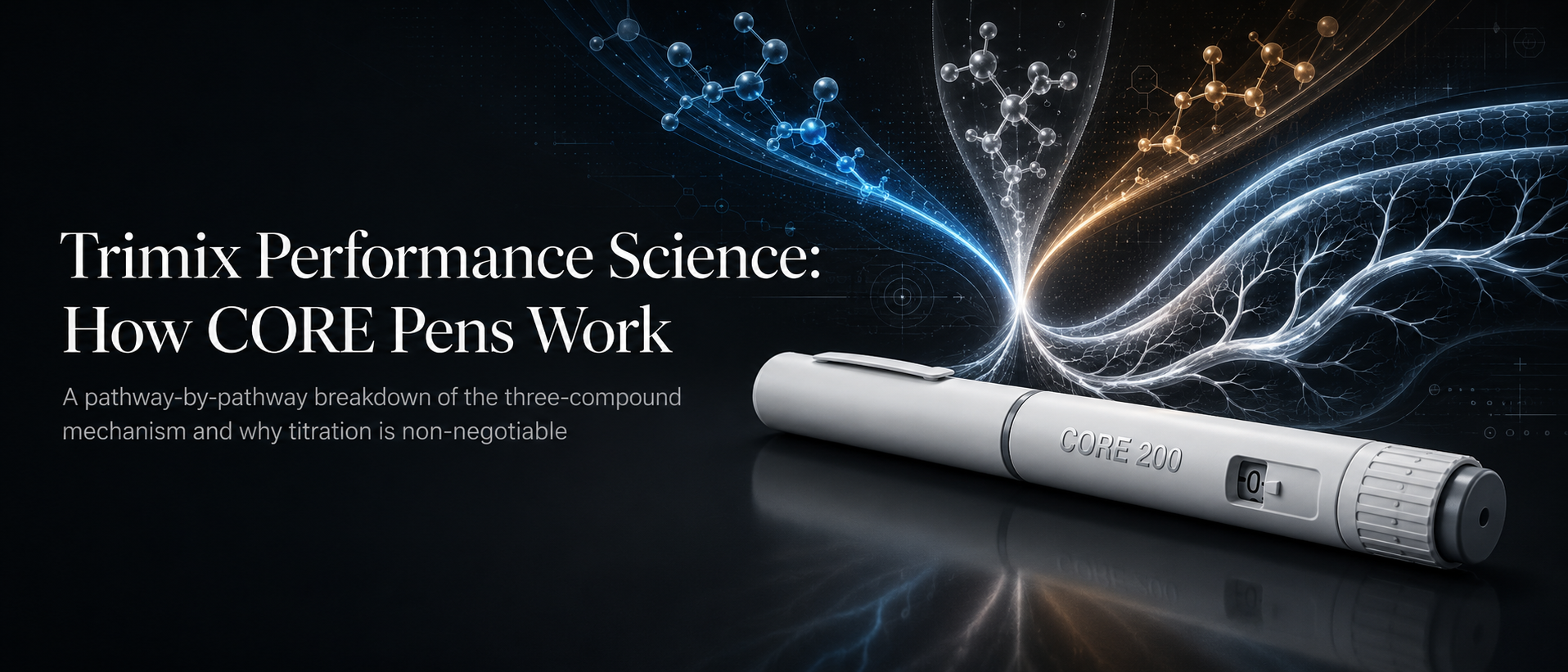
Trimix Performance Science: How CORE Pens Work
Trimix is a three-compound intracavernosal formula that works through complementary local vascular pathways to produce a reliable, titratable erectile response. Here is the mechanism, the rationale for each compound, and why dose titration is not optional.
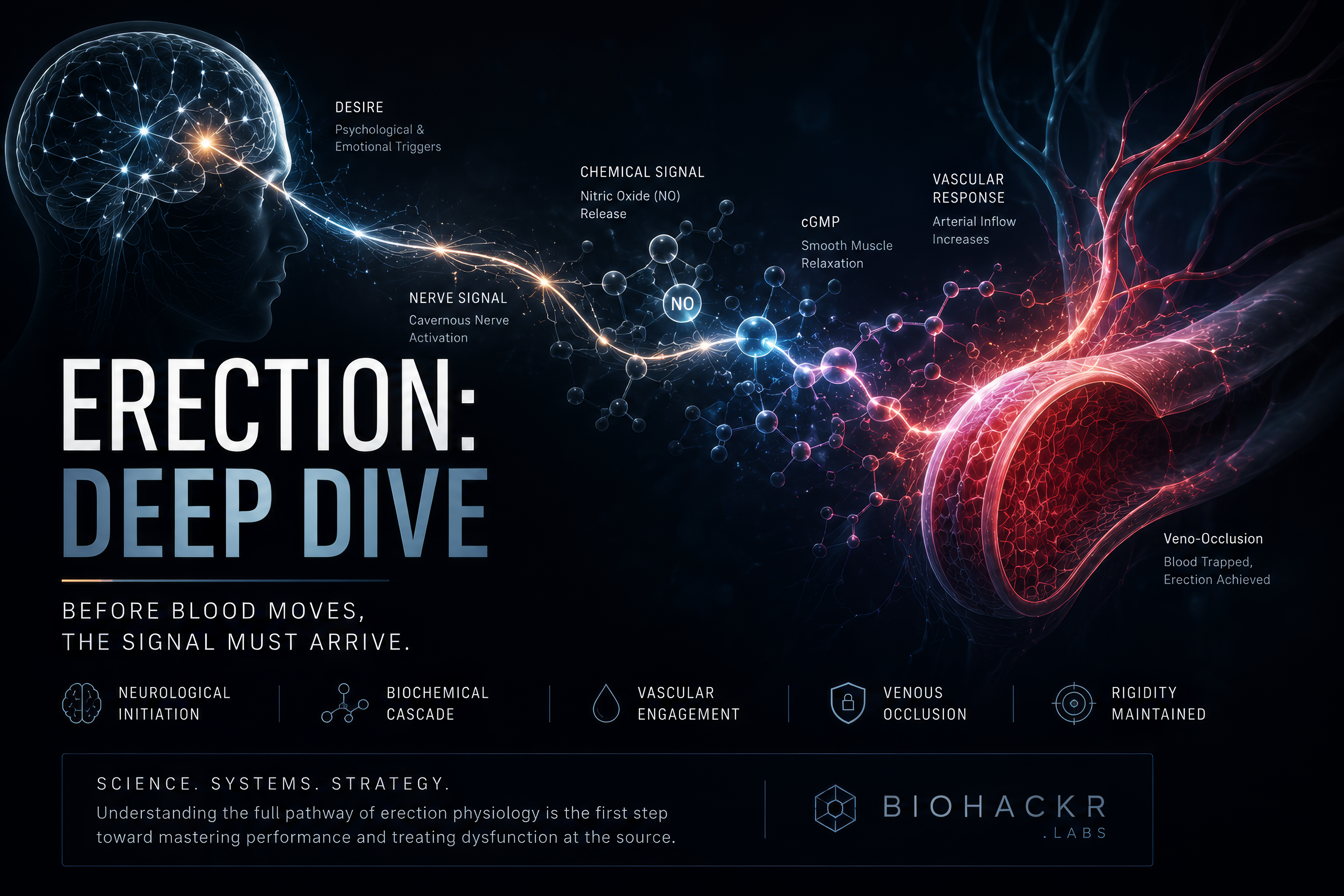
The Erection: A Vascular Deep-Dive
An erection is a vascular event, not a sexual one. Understanding the anatomy and the NO/cGMP pathway underneath it explains why some men respond to oral PDE5 inhibitors, why many do not, and why intracavernosal compounds produce reliable results in both populations.