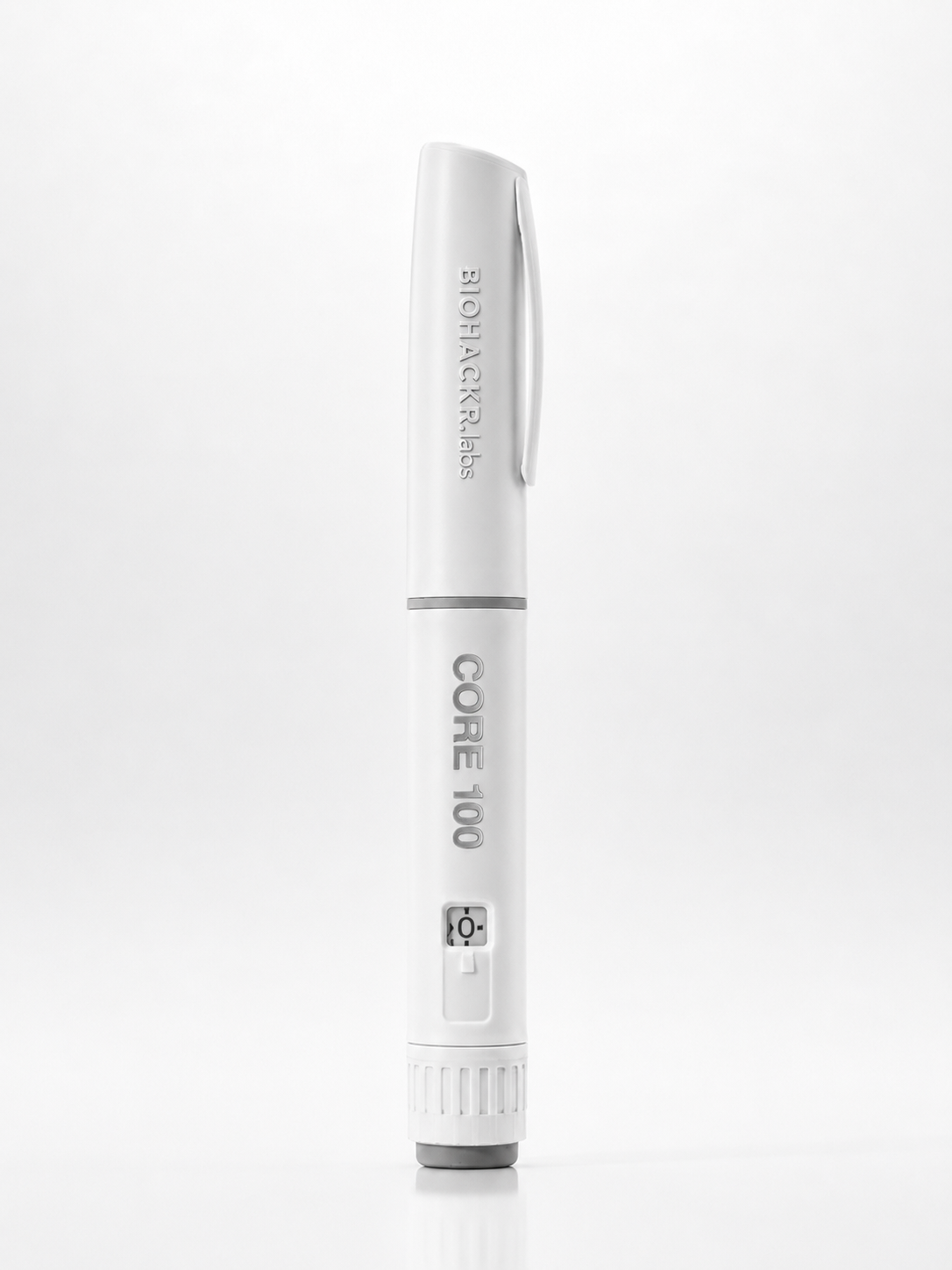
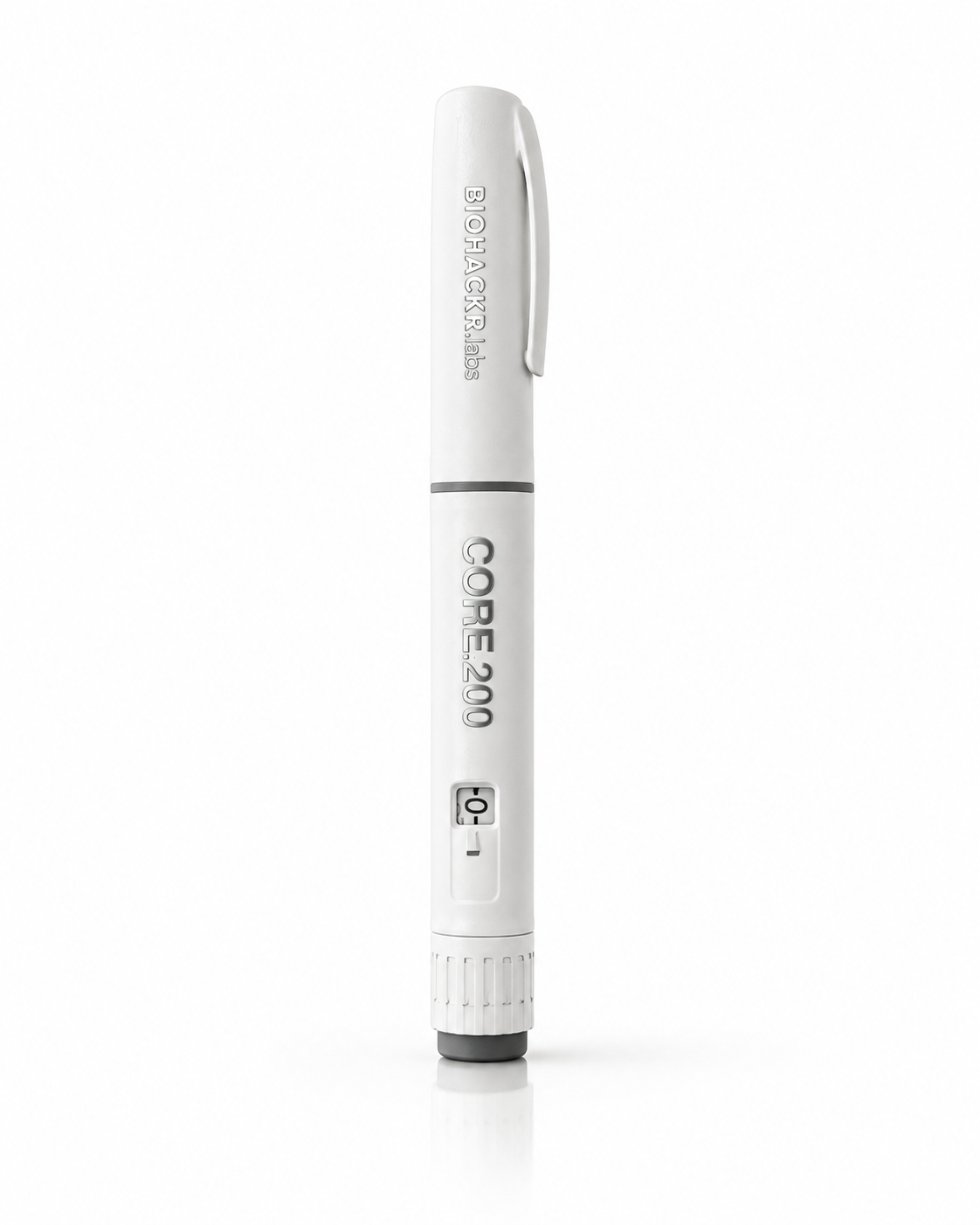
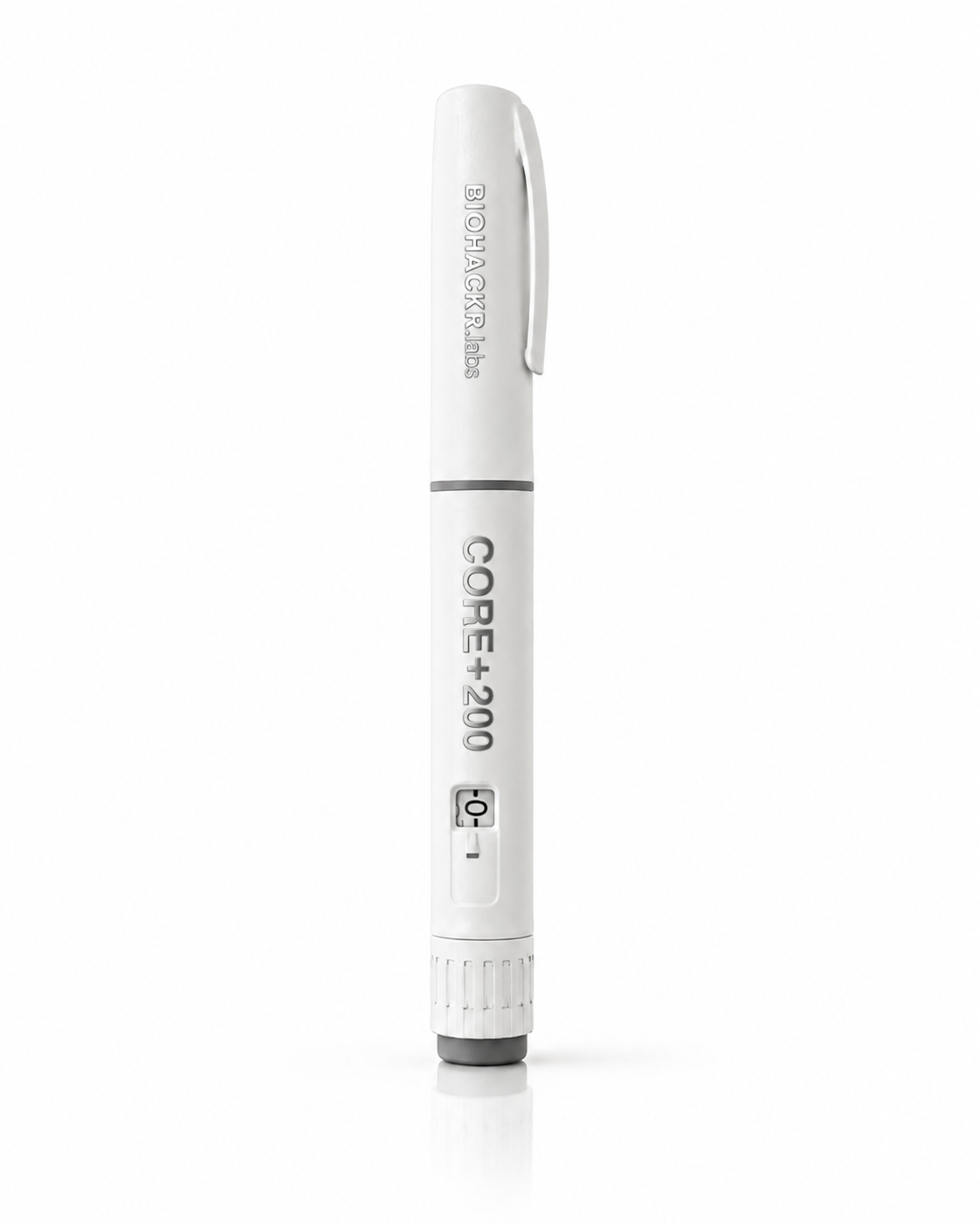
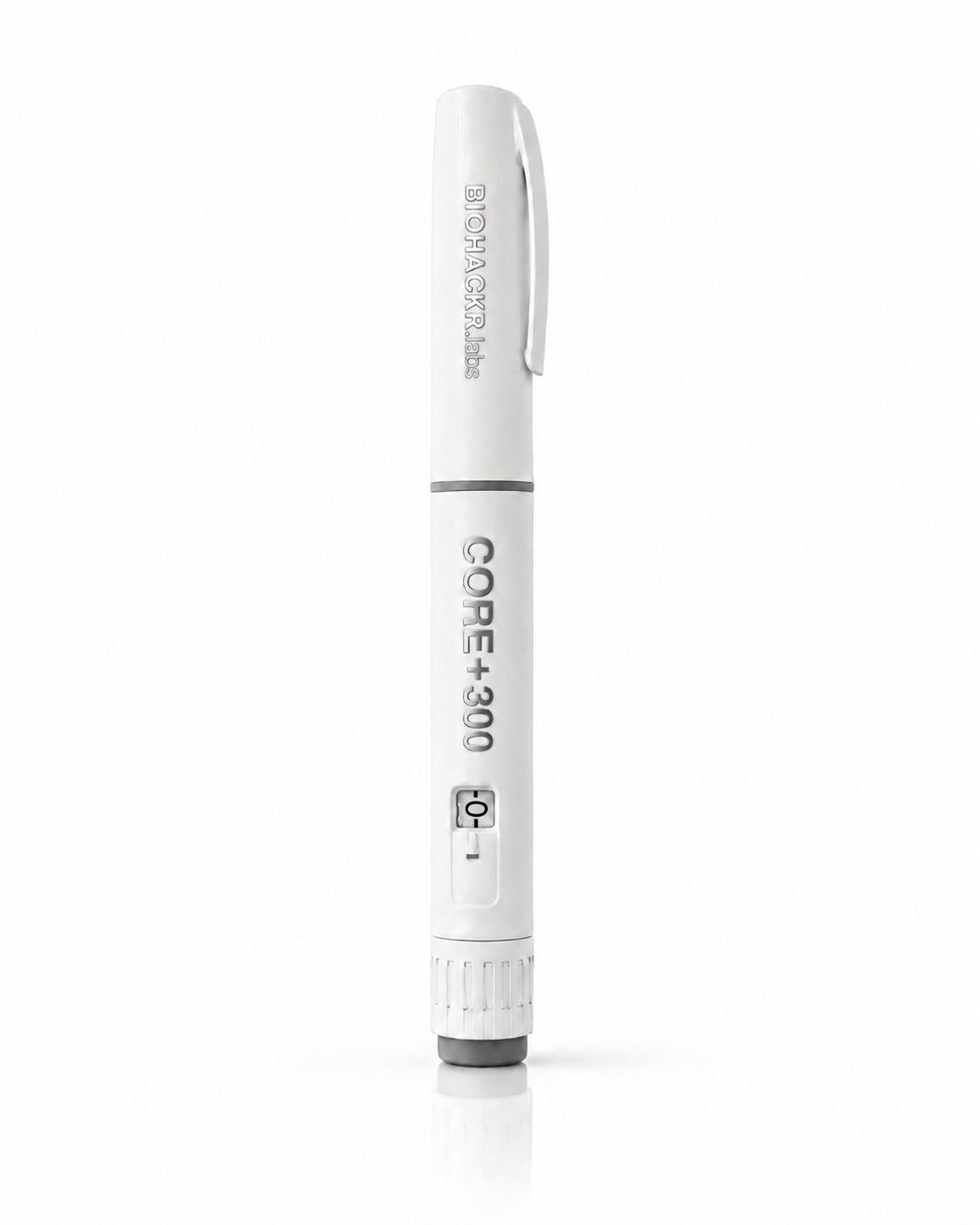
When the signal is broken, the solution must go closer to the system. Erectile dysfunction is often described as a blood-flow problem. That is partly true, but not complete. An erection is not just plumbing. It is a conversation between nerves, blood vessels, smooth muscle, hormones, the brain, and the body's cardiovascular system. When everything works, the message moves like a clean electrical signal through a well-built circuit: desire, nerve activation, vessel relaxation, blood entry, pressure, rigidity. But after pelvic surgery, prostate cancer treatment, spinal injury, diabetes-related nerve damage, or other neurogenic conditions, that signal can become interrupted. The phone line is still there. The building is still standing. But the message does not travel cleanly from the brain to the erectile tissue. That is why standard oral ED medication does not work for every man. And it is why intracavernosal therapy has become one of the most important clinical tools for men with post-surgery ED, prostatectomy-related ED, and neurogenic erectile dysfunction.
ED after surgery is not "in your head"
Men are often told to relax, reduce stress, or "give it time." Sometimes that advice is useful. Sometimes it is lazy.
The European Association of Urology defines erectile dysfunction as the persistent inability to achieve and maintain an erection sufficient for satisfactory sexual performance. It also notes that ED can affect quality of life for both patients and partners. Importantly, ED is not one single condition. It can be vascular, neurogenic, hormonal, anatomical, drug-induced, psychological, or mixed.
After major pelvic surgery, especially radical prostatectomy, the problem is often mechanical and neurological, not simply emotional. The nerves and blood vessels that support the erectile response sit close to the prostate and pelvic anatomy. Even with nerve-sparing surgery, those pathways can be bruised, stretched, disrupted, or temporarily stunned.
This is why a man can still feel desire, still experience intimacy, and still feel mentally ready - but the physical response does not arrive.
Think of it like pressing the accelerator in a luxury car after the wiring harness has been damaged. The engine may be capable. The fuel may be present. The driver may know exactly what he wants. But the command is not reaching the system cleanly.
That is the reality of post-surgery ED.
Why pills may fail after prostate surgery or nerve injury
Most well-known ED pills belong to a class called PDE5 inhibitors. They support the natural erection pathway by enhancing the body's own blood-flow signalling. For many men, this works very well.
But there is a catch: oral ED medication depends on an intact enough nerve signal and sexual stimulation pathway to amplify.
If the nerve signal is weak, delayed, or disrupted, a pill may have very little to amplify. It is like turning up the volume on a radio that is not receiving the station.
This is especially relevant in men with post-prostatectomy ED, diabetes-related nerve damage, spinal cord injury, pelvic trauma, or other neurogenic erectile dysfunction. The issue is not always desire. It is signal delivery.
The EAU identifies radical prostatectomy, pelvic surgery, pelvic radiotherapy, diabetes, polyneuropathy, spinal cord trauma, stroke, and neurodegenerative disease among recognised pathways linked to erectile dysfunction.
What intracavernosal therapy actually does
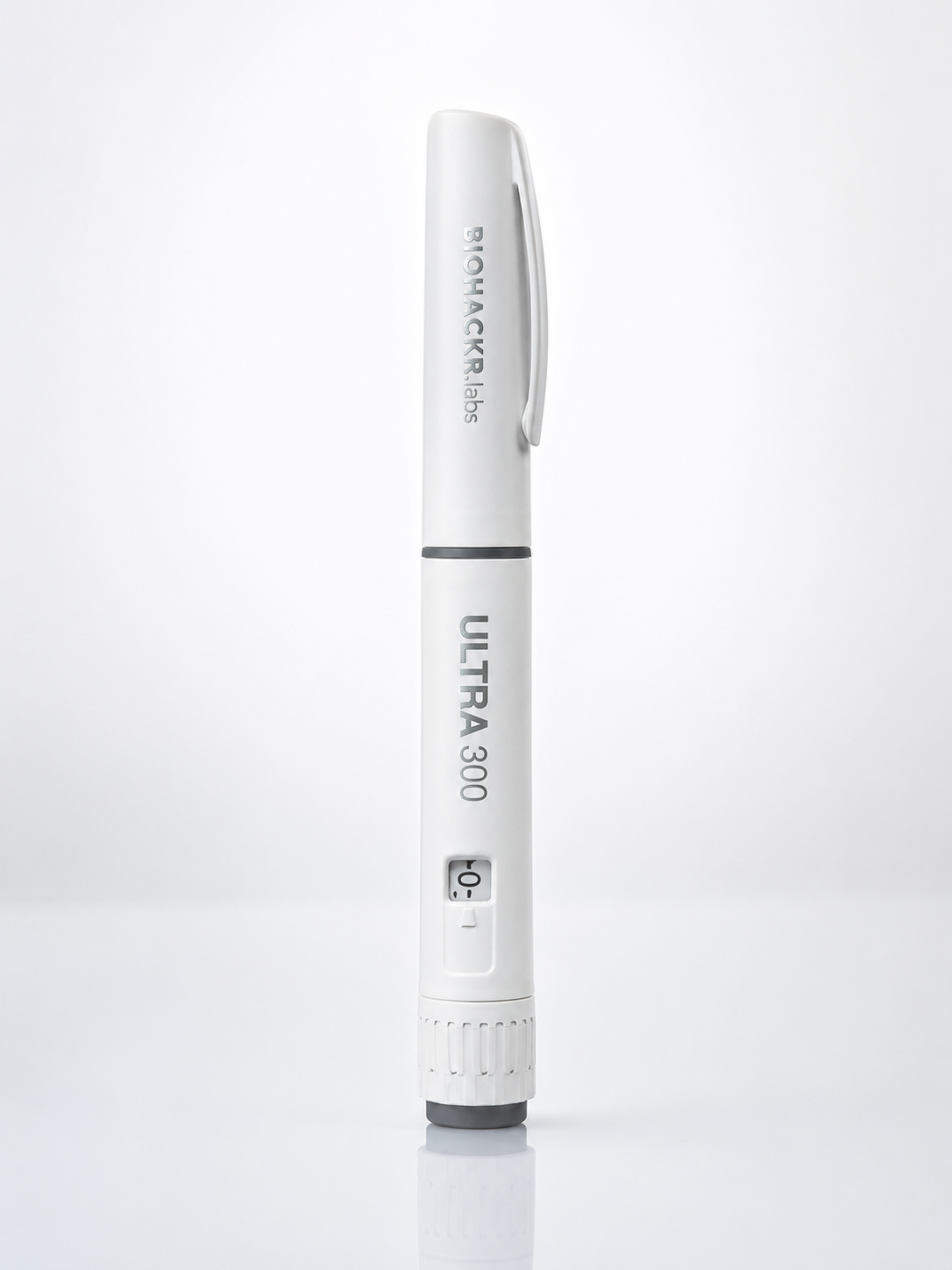
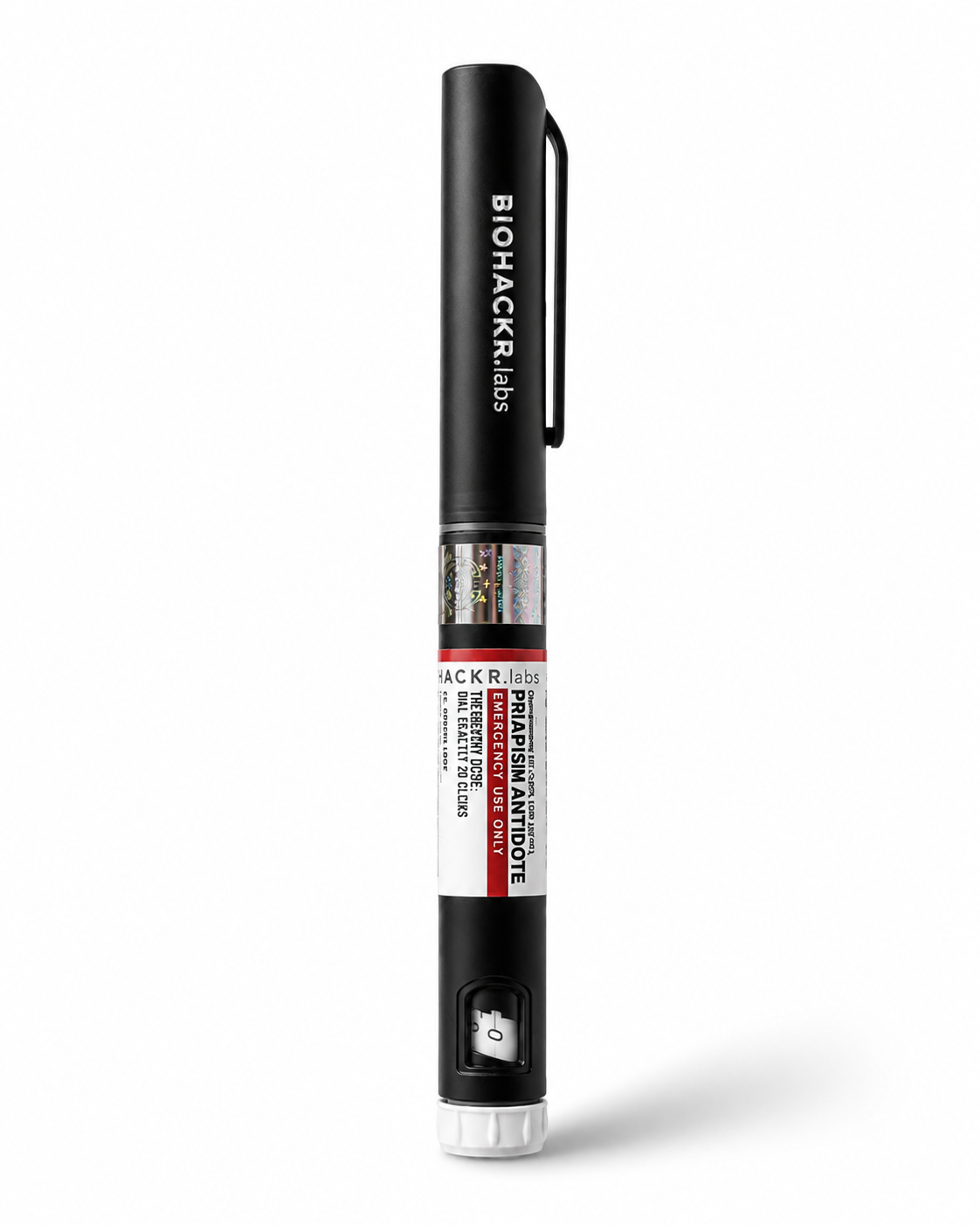
Intracavernosal therapy means placing vasoactive medication directly into the erectile tissue of the penis under appropriate clinical guidance. Unlike oral medication, it does not need to rely as heavily on the normal nerve-to-blood-vessel signal.
It works closer to the target.
The goal is to relax smooth muscle and open blood vessels inside the erectile tissue, allowing blood to enter and create rigidity. Memorial Sloan Kettering explains that commonly used injection medications include Trimix, Bimix, and papaverine, and that these ingredients work by relaxing smooth muscle and opening blood vessels in the penis.
The metaphor is simple: pills ask the body to send a better message. Intracavernosal therapy delivers the message closer to the door.
That is why it is clinically important in men whose ED is caused by nerve disruption, pelvic surgery, or poor response to oral medication.
Why clinicians use it in difficult ED cases
Intracavernosal therapy is not new. It was one of the first medical treatments introduced for erectile dysfunction, and modern guidelines still recognise its role.
The EAU states that patients may be offered intracavernosal injections at every stage of a tailored ED treatment work-up. It also recommends intracavernosal injections as an alternative first-line therapy in well-informed patients or as second-line therapy.
That wording matters.
It means this is not a fringe option. It is not a last-ditch internet hack. It is a recognised clinical pathway for men who need something more direct, especially when oral medication is unsuitable, unreliable, or insufficient.
In post-surgery ED, that directness matters. After radical prostatectomy, reported rates of post-operative ED vary widely, with EAU-cited research placing post-radical prostatectomy ED at 25-75%. Unassisted erectile function recovery is reported at only around 20-25% in many studies.
For men living inside those numbers, "try another pill" can feel like being handed an umbrella during a flood.
The rehabilitation argument: keeping tissue active
There is another layer to the conversation: erectile tissue health.
Memorial Sloan Kettering explains that the erectile tissue involved in erections is muscle-like tissue, and that going long periods without erections may be unhealthy for that tissue. Their patient education notes that penile injection therapy can help create erections and may support erectile tissue health in men recovering after pelvic surgery.
This is often discussed in the context of penile rehabilitation after prostate or bladder cancer surgery. The idea is not only sexual performance. It is also about keeping the tissue oxygenated, elastic, and responsive while the nerve pathway recovers.
A useful analogy is physiotherapy after an injury. If a shoulder has been immobilised, the rehab goal is not just to lift weight again. It is to prevent stiffness, preserve range, and remind the tissue how to function.
Post-surgery erectile recovery can follow a similar logic. The body may need time, but time alone is not always a strategy.
What makes neurogenic ED different
Neurogenic ED means the erection problem is linked to nerve dysfunction. That can come from spinal cord injury, diabetes, pelvic surgery, multiple sclerosis, Parkinson's disease, stroke, or other neurological conditions.
This type of ED is different because the command system is affected.
A healthy erection depends on nerve signals telling penile blood vessels and smooth muscle to relax. If that nerve instruction is compromised, the penis may not receive the biological "open the gates" command with enough force.
Intracavernosal therapy can be useful because it acts locally. Instead of waiting for the full neurological chain to perform perfectly, it targets the erectile tissue more directly.
This does not mean it is right for every man. It means it belongs in the serious conversation - especially when ED is persistent, physical, post-surgical, or resistant to tablets.
Bimix, Trimix, and why formulas differ
Different intracavernosal therapies use different active compounds.
Alprostadil is an approved intracavernosal treatment for ED. The EAU reports efficacy rates above 70% for intracavernosal alprostadil in the general ED population and in subgroups such as men with diabetes or cardiovascular disease.
Combination therapies such as Bimix and Trimix are also widely used. The EAU notes that combination therapy allows clinicians to use different mechanisms of action and potentially reduce certain adverse effects by using lower amounts of each component. It reports approximate efficacy rates of around 90% for Bimix and 92% for Trimix, while also noting that these combinations are not licensed for ED in all jurisdictions.
In plain English: different formulas are built for different levels of response, tolerance, and clinical need.
This is why structured onboarding matters. A stronger formula is not automatically a better formula. The right formula is the one that matches the user's physiology, risk profile, prior ED treatment response, and safety needs.
Safety is not optional
Because intracavernosal therapy is effective, it must also be treated with respect.
The main risks include penile pain, bruising, prolonged erection, priapism, and fibrosis. The EAU reports that complications of intracavernosal alprostadil may include penile pain, prolonged unwanted erections, priapism, and fibrosis.
Priapism is the key emergency risk. Memorial Sloan Kettering describes priapism as an erection that lasts too long and does not go away after orgasm. It warns that when a full erection persists, fresh oxygenated blood is not flowing into the penis, which can damage tissue and lead to permanent ED.
This is why intracavernosal therapy should never be framed as casual experimentation.
It requires education, screening, correct product handling, clear use limits, and a plan for what to do if the erection lasts too long.
In this category, confidence should come from protocol - not bravado.
The discreet reality: men want reliability, not theatre
There is a cultural problem around ED. Men are often sold fantasy, shame, or panic.
But most men dealing with post-surgery or neurogenic ED are not looking for a gimmick. They want something more practical: reliability, privacy, dignity, and a clear explanation of what is happening to their body.
Intracavernosal therapy is not about turning sex into a medical event. It is about giving men a direct tool when the normal signalling system has been interrupted.
For the right patient, under the right guidance, it can restore a sense of control that tablets may not provide.
That is especially important after prostate surgery, where the psychological burden can be heavy. A man may already be dealing with cancer recovery, urinary changes, altered orgasm, body image concerns, and fear of losing sexual identity. ED is not a small side issue in that context. It can feel like losing a private language.
A good protocol gives that language back - carefully, medically, and without theatrics.
Who may be a candidate?
Intracavernosal therapy may be considered by men who:
- Have ED after prostate surgery, bladder surgery, pelvic surgery, or pelvic radiotherapy.
- Have neurogenic ED linked to nerve injury or neurological disease.
- Do not respond reliably to PDE5 inhibitors such as sildenafil or tadalafil.
- Cannot use oral ED medication because of contraindications or side effects.
- Need a more predictable erectile response.
- Are willing to follow a structured protocol and safety guidance.
It is not appropriate for every man. Medical review is especially important for men with bleeding disorders, priapism risk, significant cardiovascular disease, penile curvature conditions, or those using medications that may interact with ED therapy.
The bottom line
Post-surgery ED and neurogenic ED are not character flaws. They are often the result of disrupted nerve signalling, vascular changes, tissue inactivity, or trauma to a highly precise biological system.
Oral ED medication can help many men, but it depends on the body's natural erection pathway still being able to carry the message.
Intracavernosal therapy works differently. It moves closer to the target. It bypasses parts of the damaged signal chain. It gives clinicians a direct, established, evidence-backed option for men whose ED is more complex than a confidence problem.
That is why, in serious post-surgery and neurogenic ED care, intracavernosal therapy remains a clinical standard.
Not because it is dramatic.
Because it is direct.
Not because it replaces medical judgment.
Because it demands it.