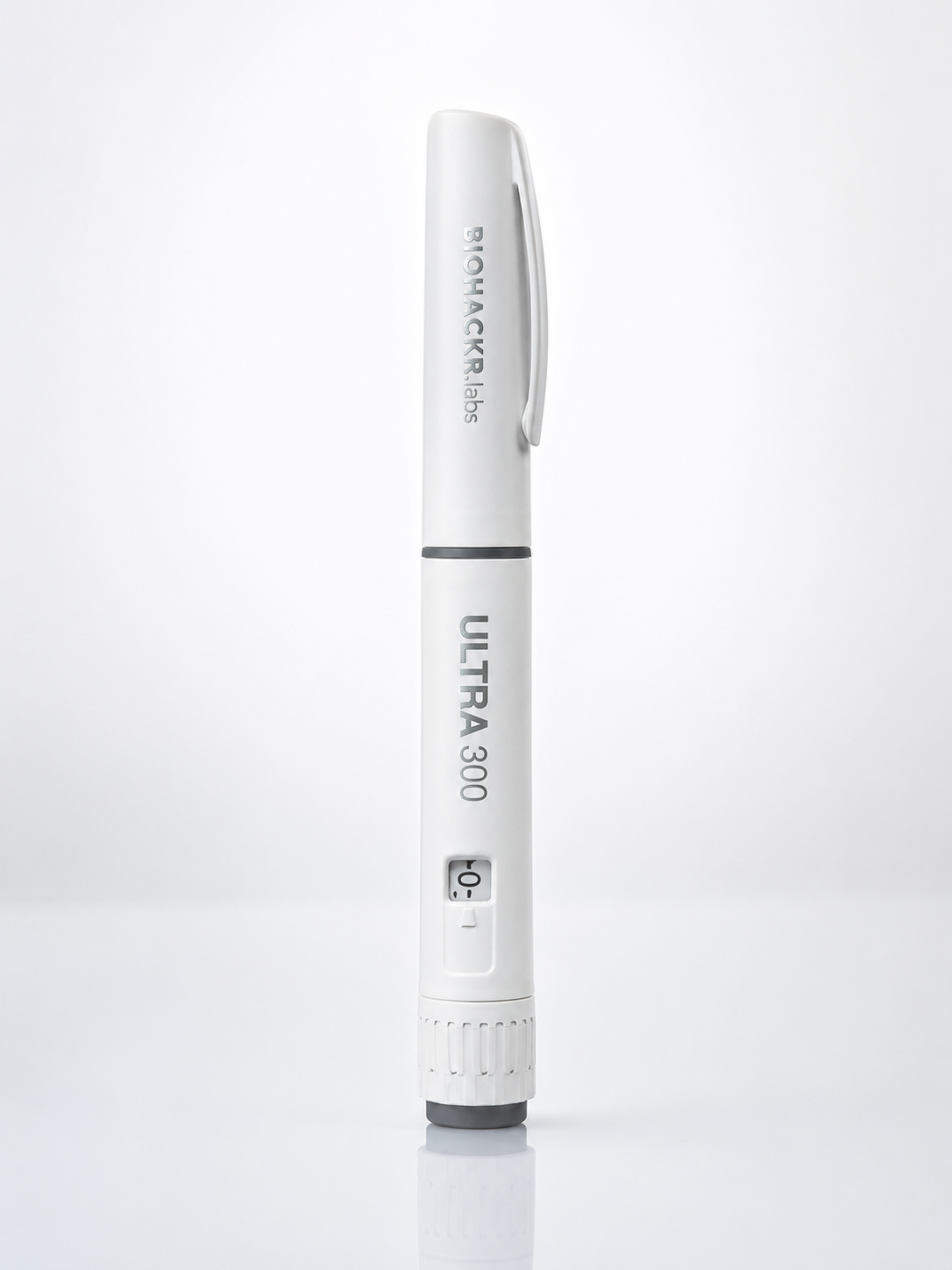
Intracavernosal injection, usually shortened to ICI, can sound more intimidating than it is. For many first-time users, the barrier is not the injection itself. The barrier is uncertainty: Where exactly does it go? What angle is correct? What should feel normal? What should not be ignored? This guide is written to reduce that uncertainty. The goal is not to make you casual about ICI. The goal is to make you calm, precise, and prepared. ICI is a local medical technique that should be used only after appropriate guidance, suitability review, and dose titration. Technique matters because correct placement improves consistency, while poor placement increases the chance of discomfort, bruising, under-response, or anxiety during future use. [1][2][8] This article does not replace clinician training, prescribing advice, or your individual protocol. Always follow the instructions provided by your prescribing clinician or private protocol guide.
What ICI means
ICI stands for intracavernosal injection. "Intracavernosal" means the medication is placed into the corpus cavernosum - the erectile tissue inside the shaft that fills with blood during an erection. Unlike oral PDE5 inhibitors, which depend on systemic circulation and the natural arousal pathway, ICI acts locally at the administration site. [3][6]
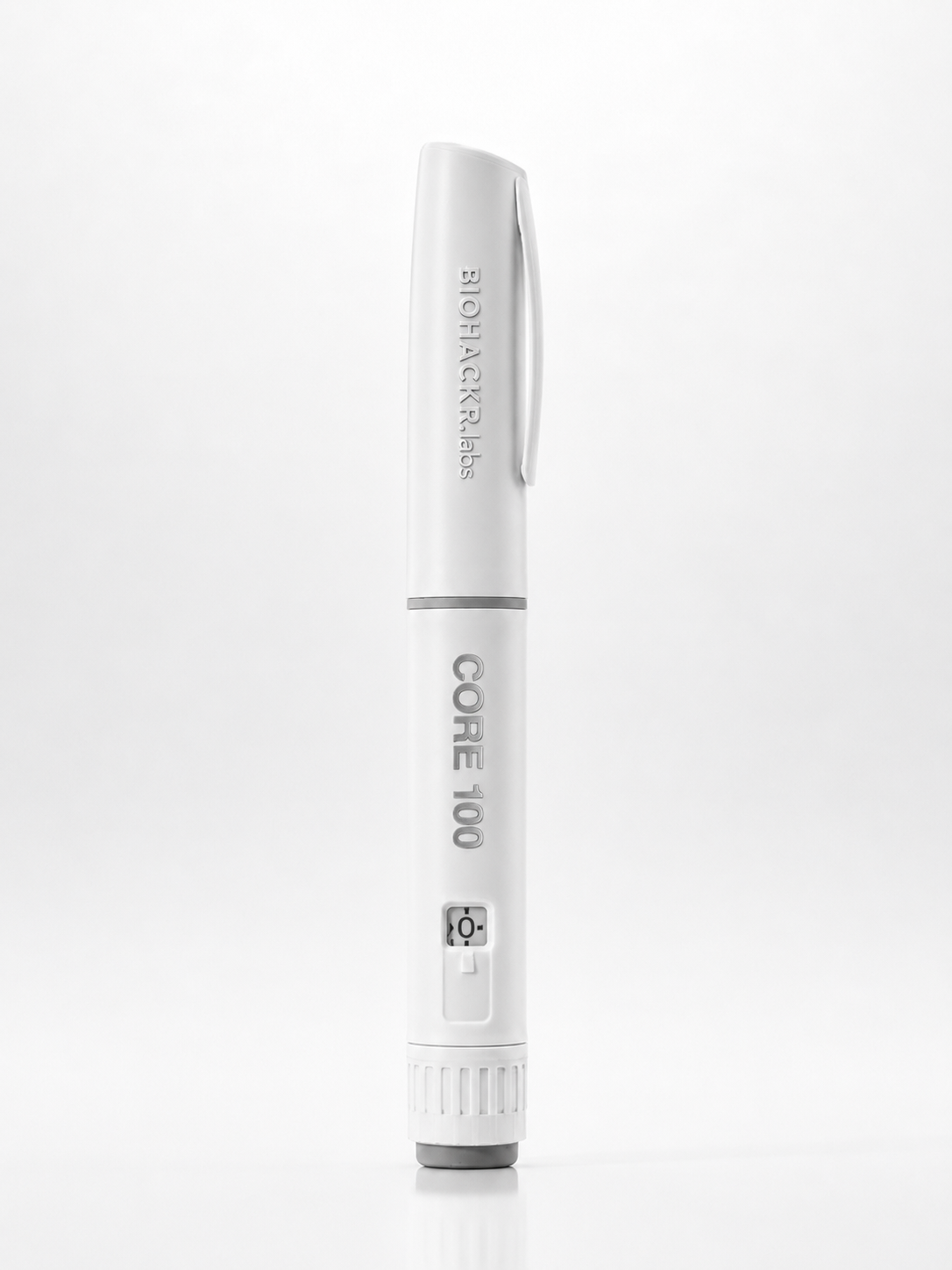
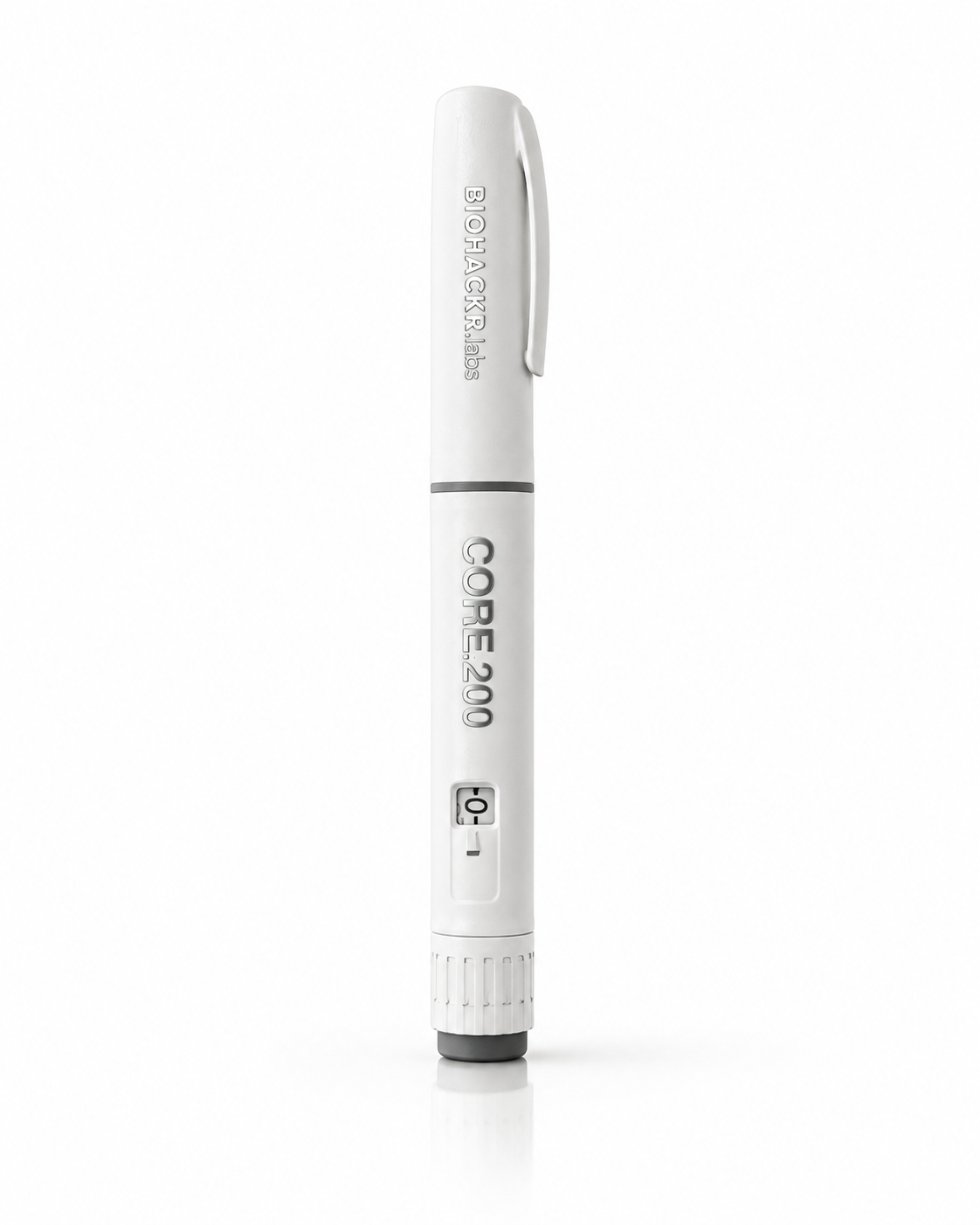
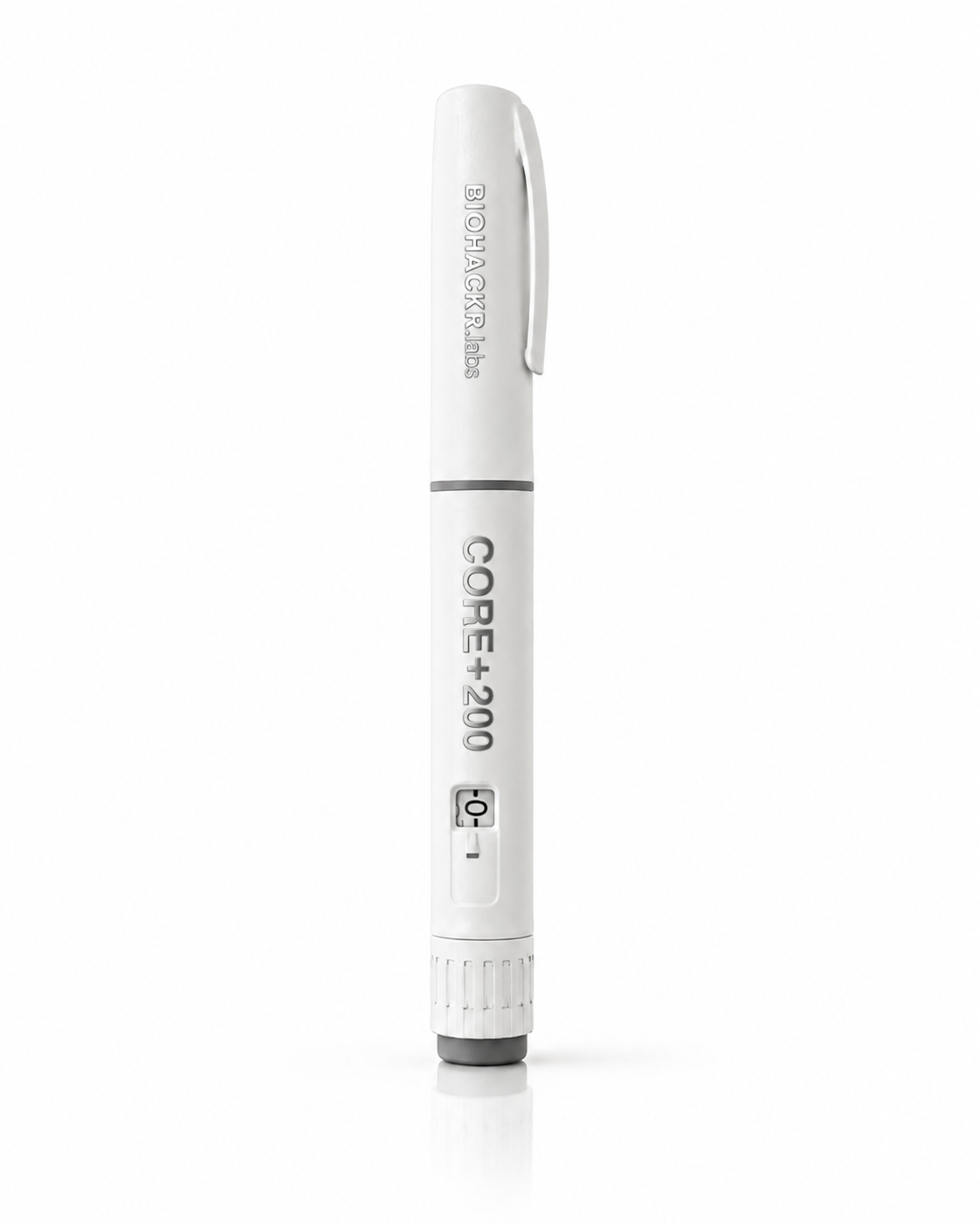
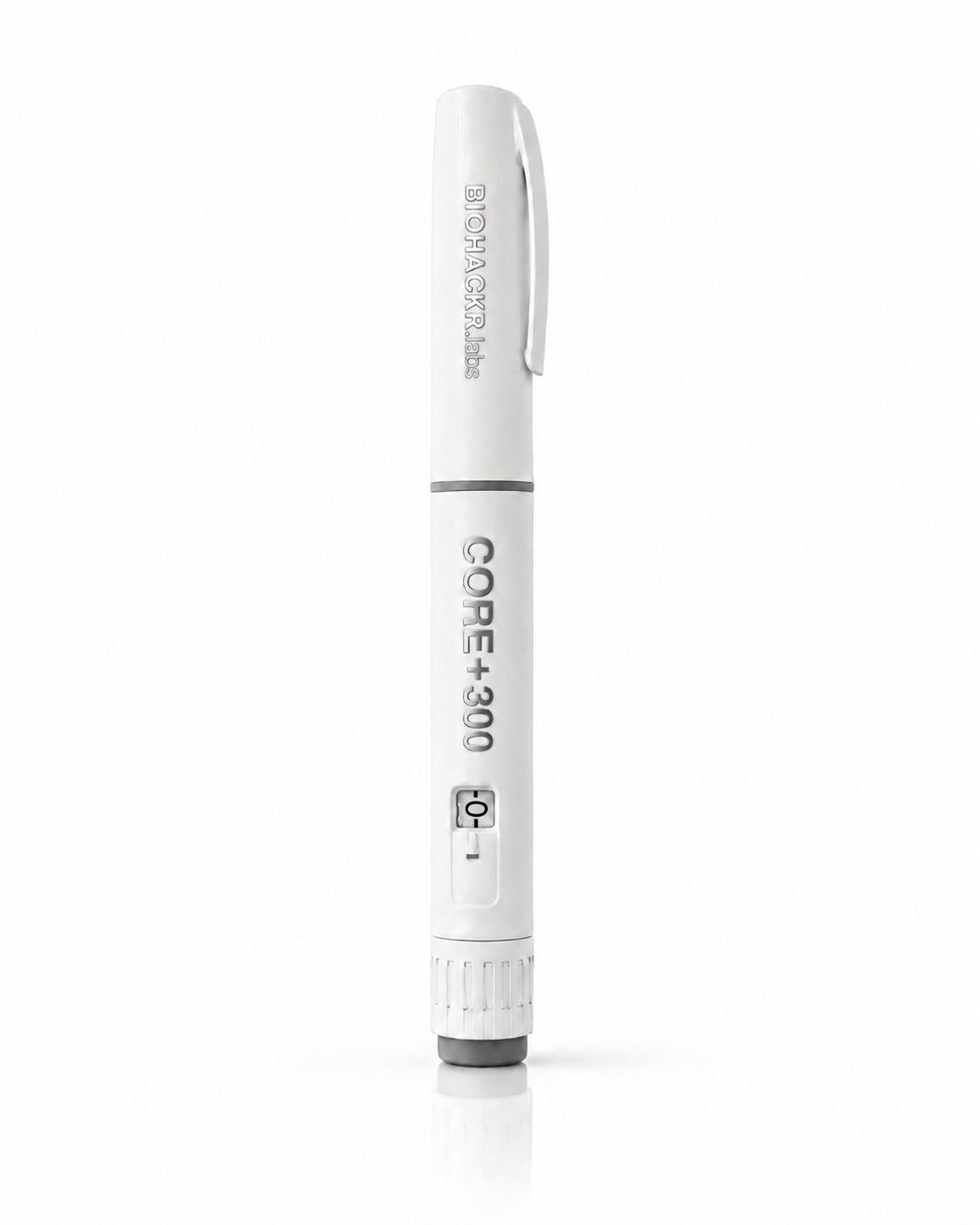
This is why the technique is different from a normal subcutaneous peptide injection. CORE performance pens are not injected into belly fat, thigh fat, or muscle. They are used locally, through a specific lateral zone of the shaft, according to the confirmed protocol. [6]
That distinction matters. ICI is not about force. It is about location, angle, consistency, and aftercare.
The anatomy: lateral, not top or underside
The safest way to understand ICI anatomy is to imagine a clock face around the cross-section of the shaft.
The preferred target area is the upper lateral portion of the shaft, above the horizontal midpoint of the cross-section. In clock-face terms, Memorial Sloan Kettering describes the injection area as 10 o'clock on the left side or 2 o'clock on the right side. The Sexual Medicine Society of North America describes the correct injection location as the 9 to 11 o'clock or 1 to 3 o'clock range when the top of the penis is viewed as 12 o'clock. [1][8]
The top midline should be avoided because this is where important nerves and blood vessels run. The underside should also be avoided because of the urethral area. The target zone should not drift below the midway point into the lower half of the shaft. Visible surface veins should be avoided because puncturing them can create unnecessary bruising or bleeding. [1][8]
The practical rule is simple: use the upper side, stay above the midpoint, alternate left and right, avoid visible veins, and avoid the top midline and underside.
Alternating sides is not just a preference. It reduces repeated trauma to the same tissue and makes the protocol more sustainable over time. [1]
Before you inject: make the setup boring
Good technique starts before the needle is near the skin.
You want a clean surface, clean hands, the correct device or syringe, a fresh needle, an alcohol wipe, and a sharps container. You should already know your confirmed dose before you start. Do not use the session itself to improvise.
A calm setup reduces mistakes. Rushing increases the chance of touching the needle, choosing the wrong area, pressing the plunger too early, or forgetting compression after removal.
A useful mental checklist: correct product, correct dose, correct side, clean site, no visible vein, steady hand, and compression ready.
If you are unsure whether the dose or technique is correct, stop and ask before using it. Guesswork is not part of responsible ICI use.
Angle and control: steady, direct, and unhurried
Most patient guides describe the injection as a direct lateral approach into the erectile tissue. The key is to keep the shaft gently stretched, keep the target stable, and avoid twisting during insertion or withdrawal. MSK's instructions emphasise pulling straight out, avoiding twisting or jerking, and using pressure after the injection to reduce bruising. [1]
Many printed ICI instructions describe a 90-degree approach into the lateral shaft. Some clinic guides describe a slight-angle approach depending on their training method and syringe type. This is why your own prescriber's instructions matter: do not mix techniques from different clinics if they conflict.
The technique principle is consistent: hold steady, approach the lateral zone, insert with control, inject steadily, withdraw straight out, and compress immediately.
The movement should be deliberate, not dramatic. Hesitation usually creates more anxiety than the injection itself.
The aspiration question
Some injection protocols teach aspiration: gently pulling back on the plunger before injecting to check whether blood enters the syringe. Other modern patient guides do not include aspiration in the home-use sequence.
This is not something to debate during a session. Follow the method taught by your prescriber or clinic. The risk is not that one guide uses different wording; the risk is combining several techniques into one improvised version.
If your instructions say to aspirate, follow that instruction exactly. If your instructions do not include aspiration, do not add it on your own unless your clinician confirms it. Consistency matters.
Compression is not optional
After the medication is delivered, remove the needle straight out and apply firm pressure to the site.
MSK advises applying pressure for 2 to 3 minutes, using the thumb on the injection site and the index finger on the opposite side. If the user takes aspirin or a blood thinner, MSK advises holding pressure for 5 minutes to help reduce bleeding or bruising. [1]
This step is easy to underestimate. It is also one of the simplest ways to prevent unnecessary bruising.
Do not wipe once and walk away. Hold pressure. Use a timer if needed. Stay calm and give the tissue time to seal.
What a normal response can look like
A normal post-injection experience can include a brief sting, a small drop of blood, mild local tenderness, mild bruising, or a gradual feeling of fullness as the medication begins to work. Cleveland Clinic lists pain, redness, irritation, or bruising at the injection site as side effects that usually do not require medical attention unless they continue or become bothersome. [4]
The response may not be identical every time. Hydration, stress, timing, vascular tone, concurrent medication, and dose sensitivity can all influence the result. This is one reason titration should be structured and recorded rather than guessed.
A first session is not meant to prove anything. It is meant to establish a safe baseline.
What warrants concern
Some symptoms should not be ignored.
Contact your clinician or protocol guide if you experience expanding swelling, significant bleeding, severe pain, a large or worsening bruise, signs of infection, or repeated poor response despite correct technique. Poor response can happen if the medication is not placed correctly, if the dose is too low, or if the person's vascular profile requires a different titration pathway.
A rigid response that does not resolve is different. Priapism is a prolonged erection that can occur after penile injection therapy. MSK explains that when the penis remains fully erect, fresh oxygenated blood is not flowing normally, which can damage tissue and lead to permanent erectile dysfunction. [5]
UCSF advises seeking medical care if an erection persists for more than 4 hours. [2] The AUA/SMSNA acute ischemic priapism guideline provides the clinical framework for urgent evaluation and treatment of ischemic priapism, and specifically covers prolonged erections after intracavernosal injection pharmacotherapy. [7]
Do not sleep through a rigid prolonged response. Do not wait to "see what happens" once it is approaching the emergency window. A painful erection, a rigid response approaching 4 hours, or any response that does not resolve according to your safety plan requires urgent medical care.
For Biohackr.Labs clients, this is why safety planning includes Antidote Pen access and clear escalation instructions. The Antidote Pen is part of responsible setup, not a replacement for emergency care. If the situation is becoming urgent, home management must stop and medical care must take priority.
Why titration matters as much as technique
Technique answers the question: "Did the medication go where it was meant to go?"
Titration answers a different question: "What is the lowest effective dose for this individual?"
Both matter.
ICI response varies between users. Baseline vascular health, medication sensitivity, anxiety, prior PDE5 response, age, concurrent medications, and formula strength can all influence the result. Biohackr.Labs' Trimix Performance Science: How CORE Pens Work article explains why Trimix and related formulas require careful titration, and why there is no safe universal dose for every user. [6]
The correct goal is not the strongest possible response. The correct goal is the most controlled effective response.
Technique anxiety is normal - but it should not run the protocol
Many men feel anxious before the first ICI session. That does not mean they are not suitable. It means they need clear instruction, a conservative starting point, and a safety plan they understand before use.
Anxiety usually drops when the process becomes concrete: know the anatomy, know the dose, know the side, know the angle, know the compression step, know what normal looks like, and know when to get help.
That is the point of clinical education. It turns a vague fear into a controlled sequence.
Next step: CORE guidance
Need help understanding where CORE, CORE+, or ULTRA fits into your protocol?
Start with education, then request private guidance through the CORE range.
References
- Memorial Sloan Kettering Cancer Center. Penile Injection Therapy.
- UCSF Health. Penile Injections: A Patient Guide.
- Cleveland Clinic. Alprostadil.
- Cleveland Clinic. Alprostadil Intracavernosal Injection.
- Memorial Sloan Kettering Cancer Center. Priapism: An Erection that Lasts Too Long.
- Biohackr.Labs. Trimix Performance Science: How CORE Pens Work.
- American Urological Association / Sexual Medicine Society of North America. Acute Ischemic Priapism: An AUA/SMSNA Guideline.
- Sexual Medicine Society of North America. The Penile Ultrasound: How Advanced Practice Providers Can Perform This Important Diagnostic Test.