
RECOVER Protocol
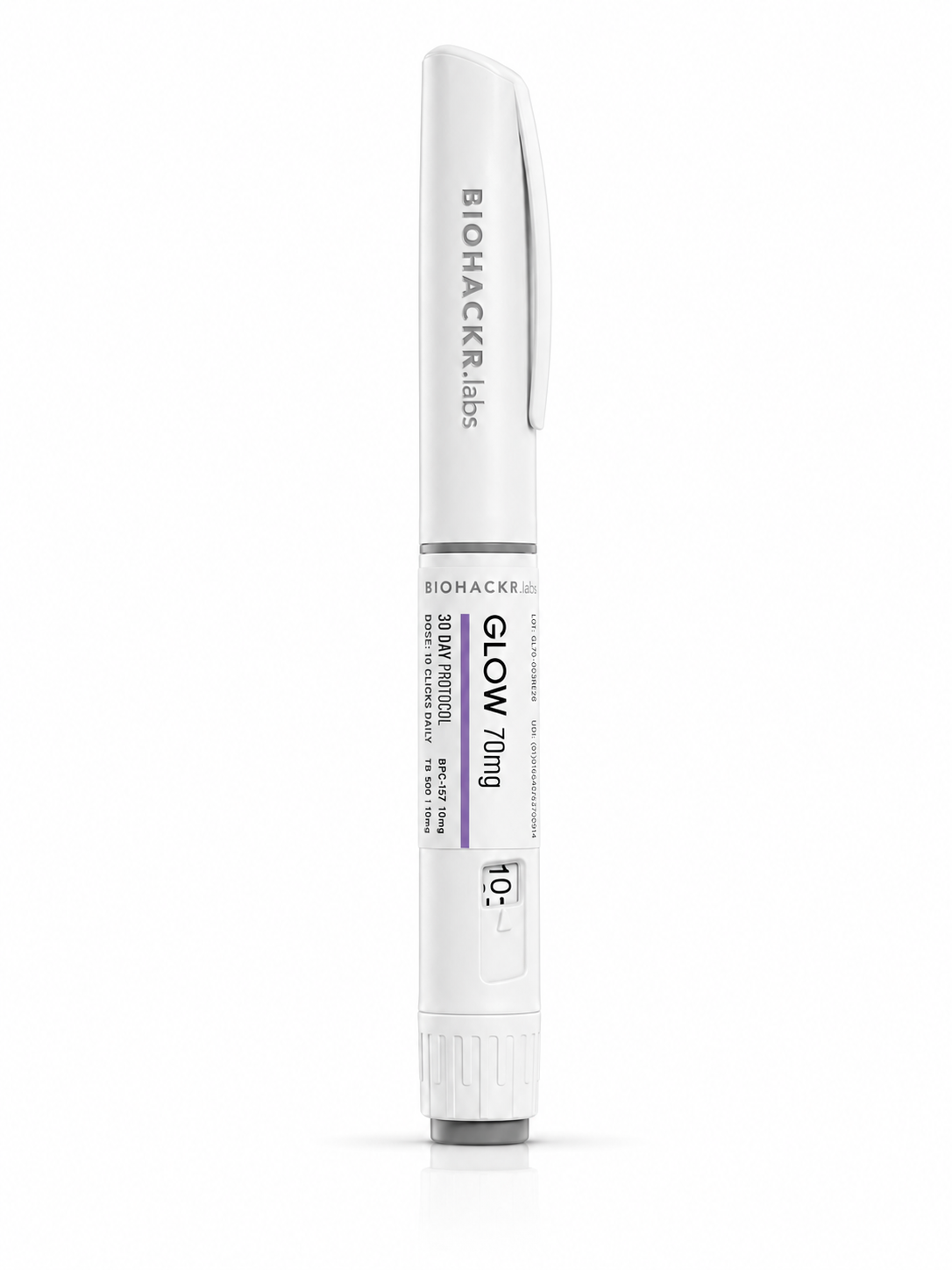
BPC-157 Pen
Structured BPC-157 protocol for tissue repair and recovery.
Key Attributes
- Extensive published research profile across tissue types — muscle, tendon, gut, and bone
- Promotes angiogenesis and blood vessel formation at injury and repair sites
- Growth hormone receptor upregulation in tendon fibroblasts
- Gut integrity support — gastric peptide with established GI research
- Precision 66.7 mcg per click dosing — available in Bangkok through reviewed order access
Technical Specifications
Biohackr.Labs provides product education, protocol guidance, and private client support. Information on this website is not medical advice and does not replace consultation with a licensed healthcare professional.
What's Included
Premium hard case.
Everything included.
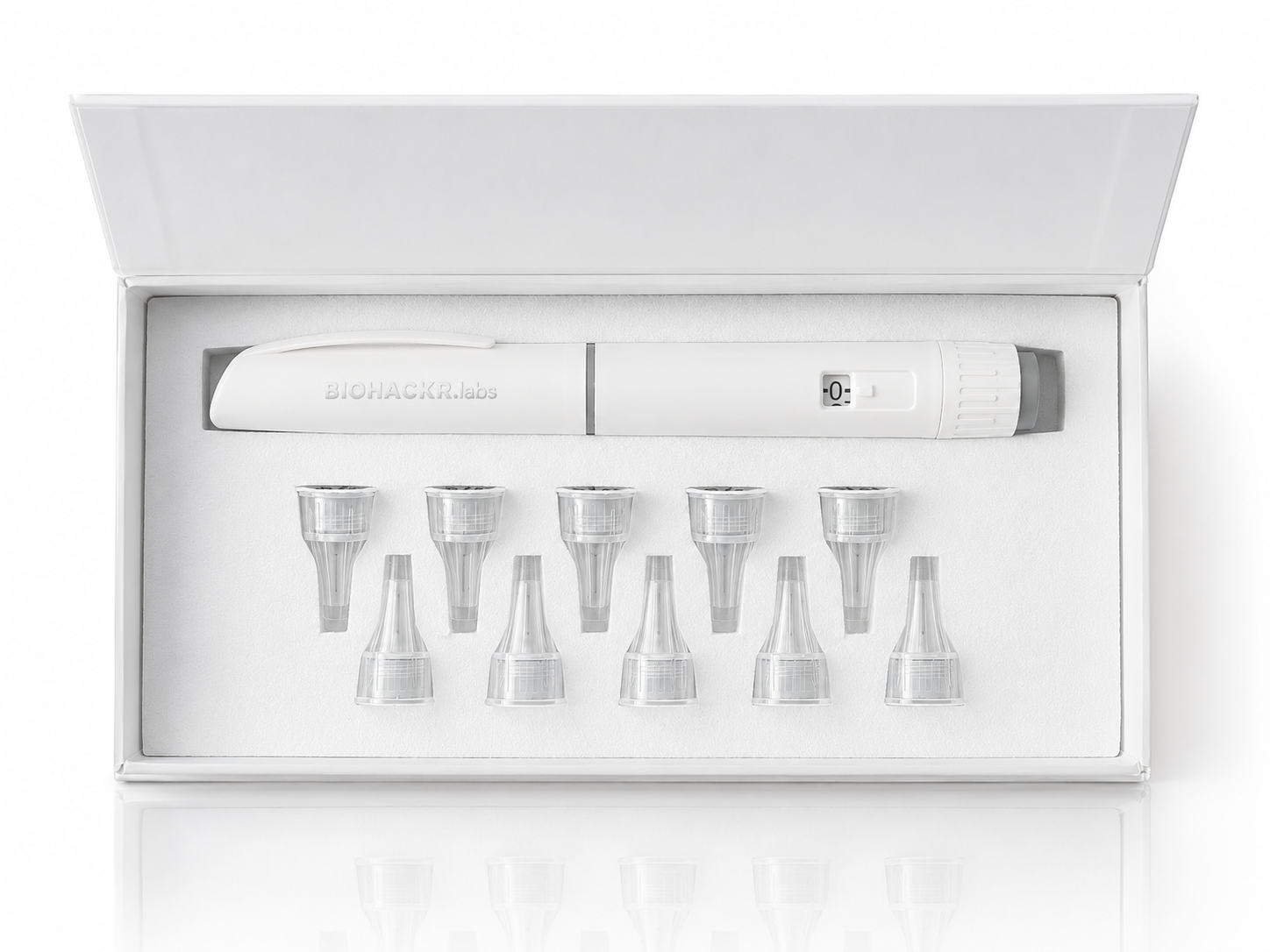
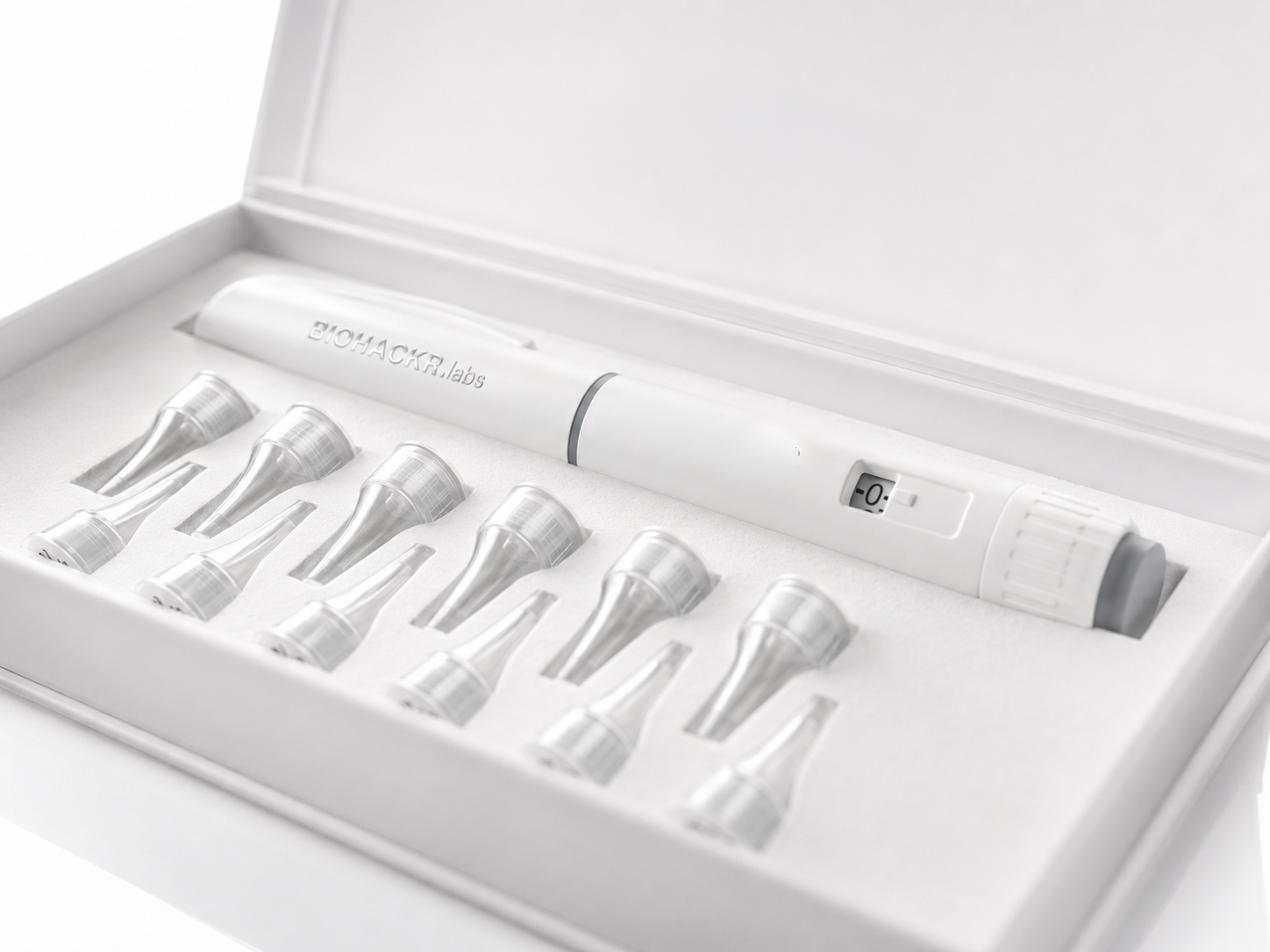
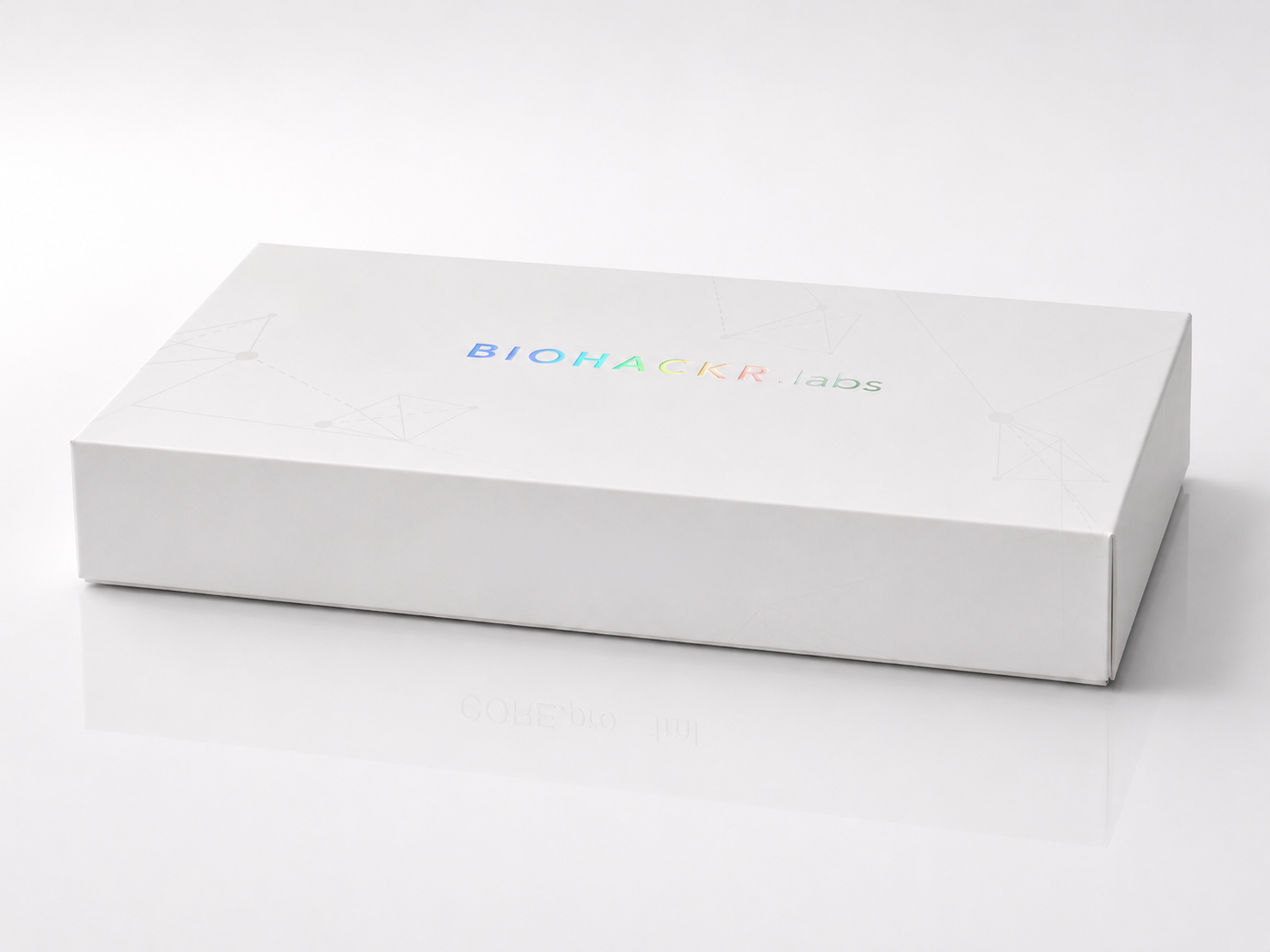
Every Biohackr.Labs pen ships in our premium white hard case — holographic logo, foam-fitted interior. Inside: the precision pen, ten individually sealed 31G 8mm micro needles, and all documentation needed to begin your protocol correctly.
Precision pen
Pre-filled, batch quality-controlled pen system ready at your confirmed starting dose.
10× 31G micro needles
31G 8mm individually sealed sterile micro needles. Ten included as standard with every pen.
Protocol card
Starting dose, titration schedule, session guidance, and what to expect — specific to your protocol.
Batch QC documentation
Batch reference, preparation date, and compound specification. Not boilerplate — specific to your order.
Storage & handling guide
Temperature requirements, travel guidance, and handling notes with Bangkok climate context.
Private support access
WhatsApp, LINE, email, and My Account support throughout your protocol cycle.
Professional Packing
Strictly packed for
cold-chain delivery.
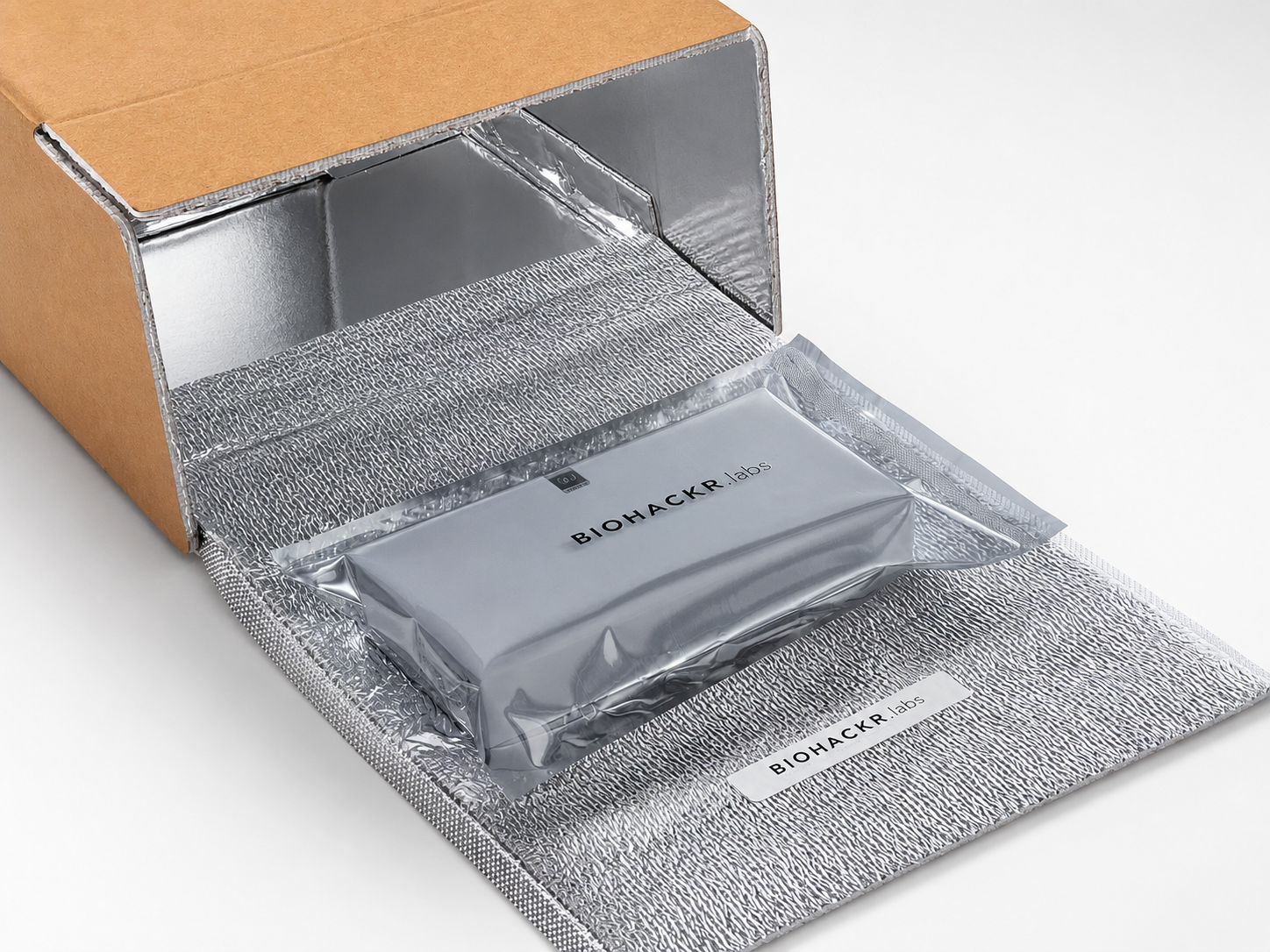
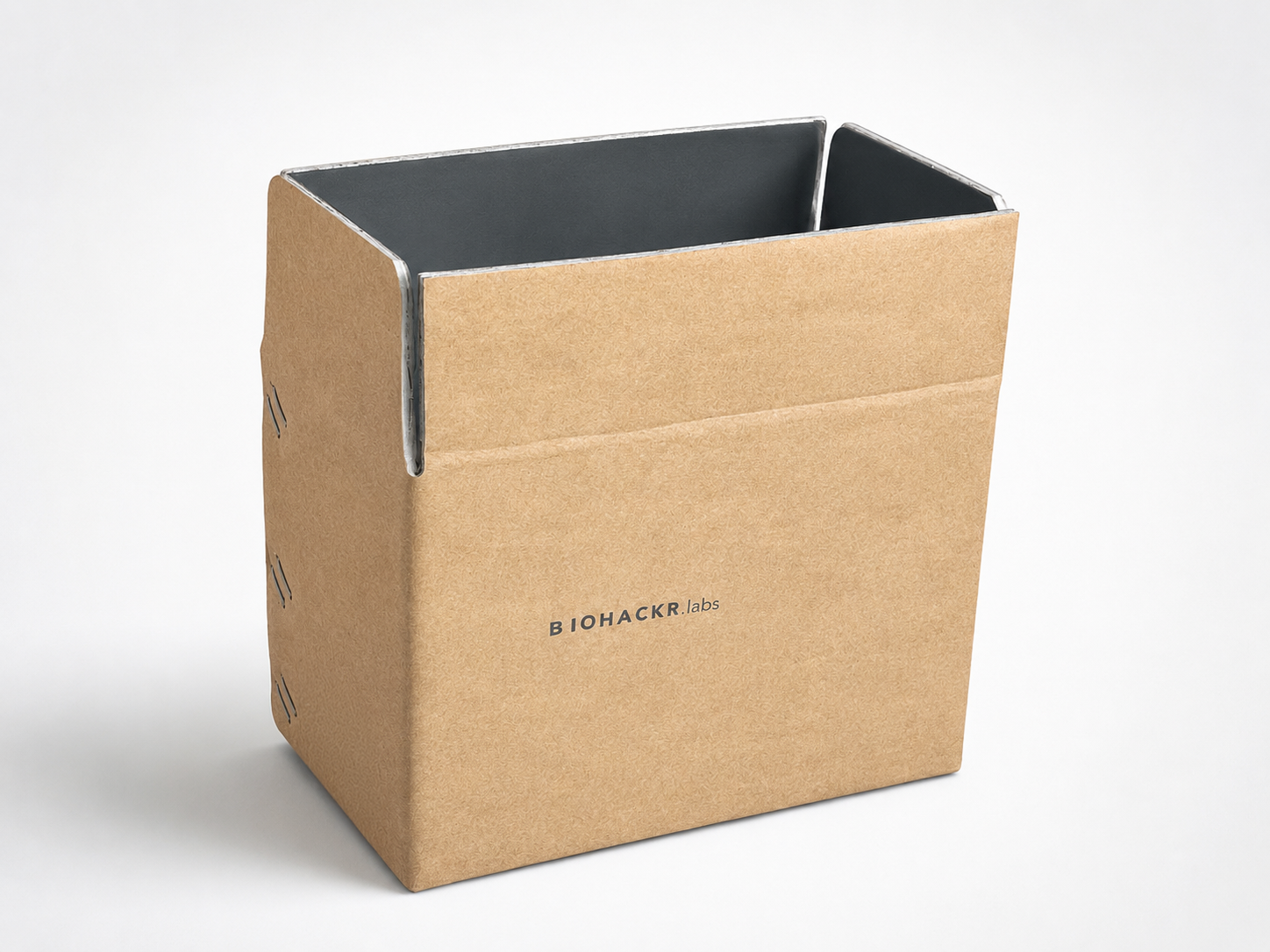
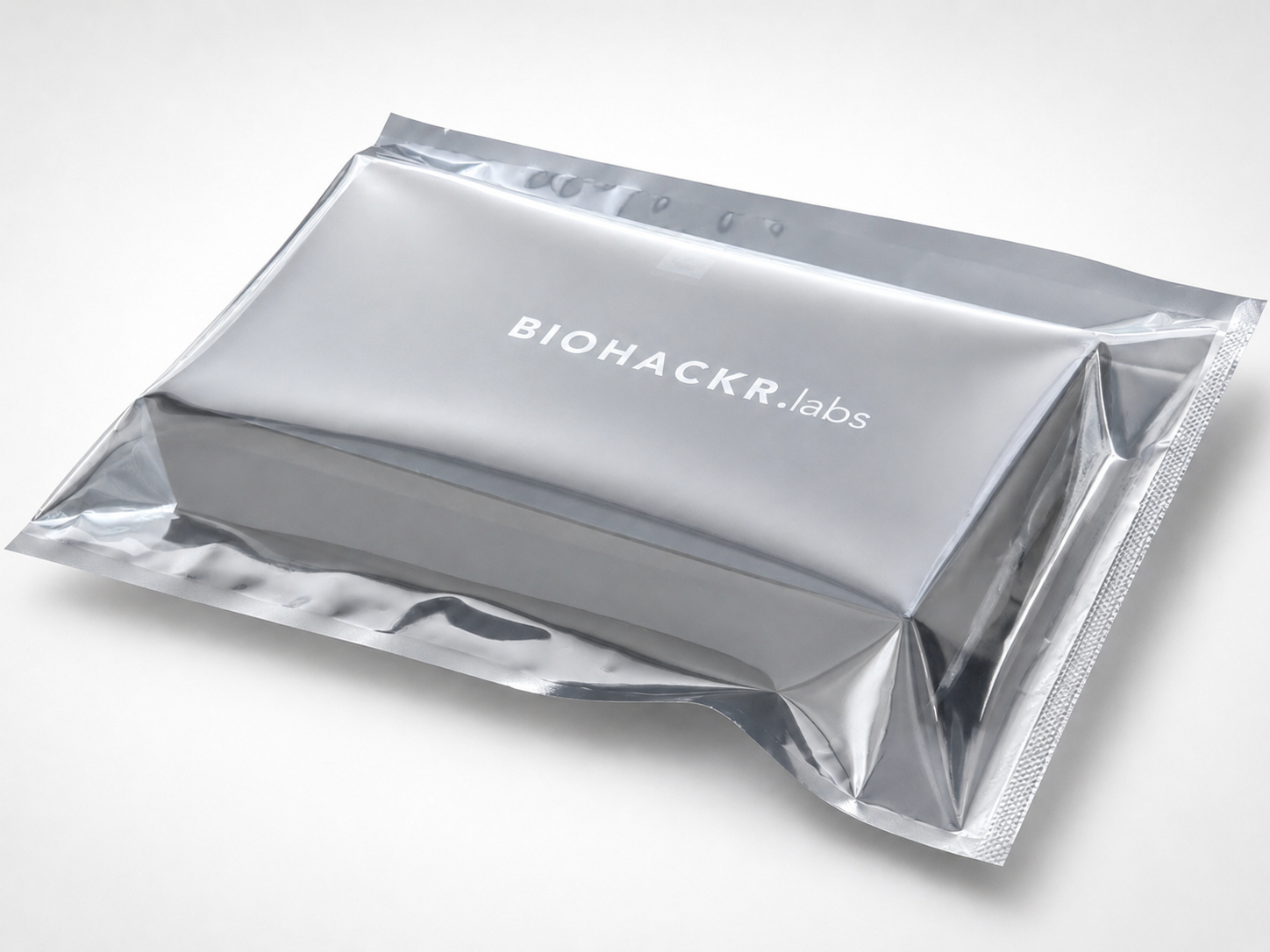
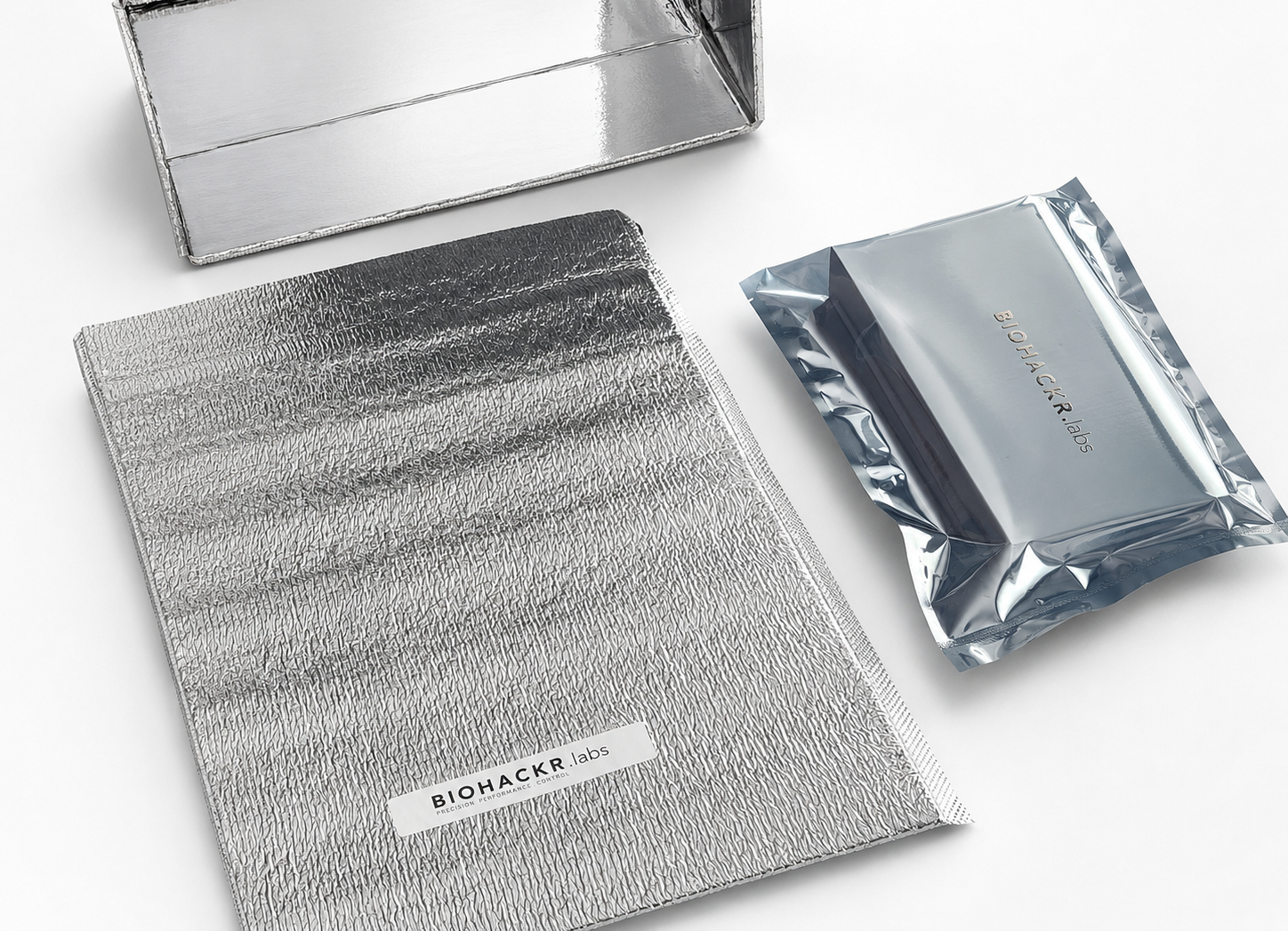
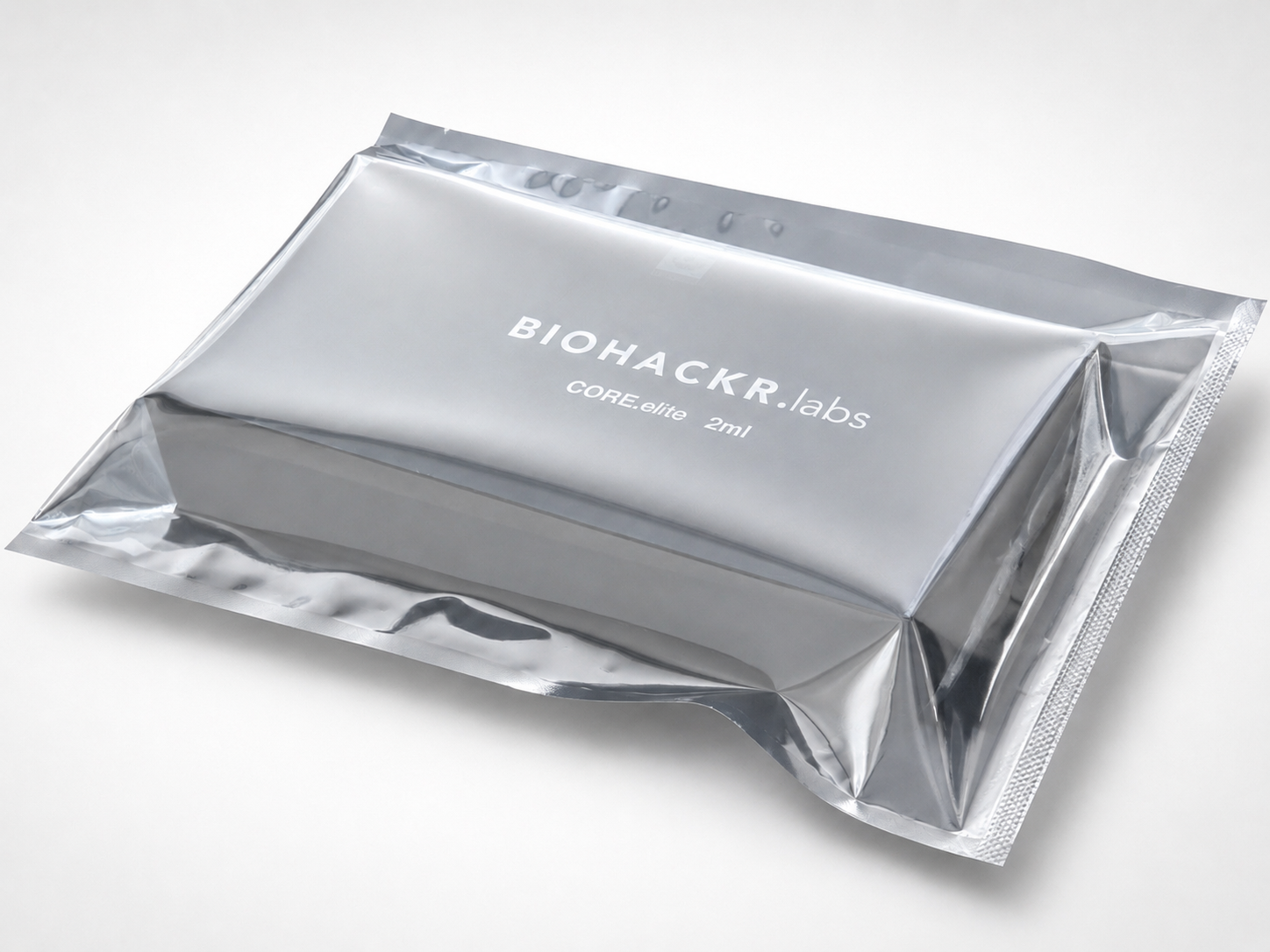
Peptide pen formulations are temperature-sensitive. Every order is packed as a refrigerated product and handled under strict cold-chain conditions — insulated temperature-control packaging with cold packs maintained at the standard refrigerated range of 2–8°C wherever available during transit.
Refrigerated cold-chain transport
Peptide pens are handled as refrigerated products throughout transit. Intended transport condition is controlled cold-chain delivery at 2–8°C wherever available. Available in supported cold-chain delivery areas only.
Temperature-control packaging
Insulated temperature-control packaging with cold packs engineered to maintain the product in the refrigerated range from preparation to handover — anywhere in Thailand with cold-chain delivery coverage.
Refrigerate immediately on receipt
Transfer to refrigerated storage the moment you receive your order. Do not leave unattended or delay collection. Tamper-evident sealing confirms product integrity at handover.
Step 01
Protocol Overview
“Structured BPC-157 protocol for tissue repair and recovery.”
The BPC-157 10mg Pen delivers 10 mg of BPC-157 (Body Protection Compound-157) across 150 precision clicks. BPC-157 is a synthetic 15-amino-acid pentadecapeptide derived from a naturally occurring protein found in human gastric juice. It has one of the most active research profiles in the peptide space, with published studies on tissue repair, angiogenesis, tendon-to-bone healing, gut integrity, and recovery from physical stress. A foundational recovery protocol for clients in Bangkok and throughout Thailand.
Step 02
Mechanism of Action
BPC-157 promotes angiogenesis (new blood vessel formation) at repair sites, which accelerates nutrient and oxygen delivery to damaged tissue. It also upregulates growth hormone receptor expression in tendon fibroblasts and modulates nitric oxide pathways, supporting healing in connective tissue, muscle, and gut lining. Its pleiotropic effects — acting through multiple physiological pathways simultaneously — account for its broad research application across tissue types.
Suggested Use
Daily subcutaneous administration. Administer at or near the site requiring support. Dosing schedule and administration site confirmed through order review.
Who This Protocol Is For
Designed for clients in Bangkok and Thailand experiencing soft tissue concerns, recovering from training-related strain, post-surgical recovery, or seeking gut integrity support. Also relevant for performance clients wanting a comprehensive recovery protocol alongside training.
Storage — Bangkok & Thailand
Refrigerate between 2–8°C. BPC-157 is stable when refrigerated but degrades rapidly at elevated temperatures. Bangkok's humidity adds a further reason to maintain strict cold storage. Use within confirmed stability window after initiation.
Delivery — Thailand
Peptide pens are shipped under strict cold-chain handling — handled as refrigerated products at 2–8°C wherever available. Available in supported cold-chain delivery areas only.
Refrigerate immediately on receipt. You must be present to receive the delivery directly.
Potential Side Effects
- Generally well tolerated in published research models
- Injection site reactions — mild redness or discomfort at administration site; typically resolves within hours
- Nausea — rare; typically associated with doses above standard protocol range
- Dizziness — occasionally reported at higher doses
- Human clinical trial data is limited; administration is guided through reviewed order access
Order Review Required
All Biohackr.Labs orders are reviewed before confirmation. Dosing and administration are confirmed before fulfilment where required.
Enquire on WhatsAppAdd LINEThe Compound
What Is BPC-157?
Synthetic Pentadecapeptide — Tissue Repair
BPC-157 is a synthetic 15-amino-acid peptide derived from a protective protein found naturally in human gastric juice. First described in 1993, it has become one of the most studied and most discussed peptides in regenerative medicine, biohacking, and athletic recovery. With over 50 published preclinical studies spanning tissue repair, angiogenesis, gut healing, neuroprotection, and anti-inflammatory action across multiple tissue types, its research profile is genuinely unusual — few peptides demonstrate such broad multi-tissue effects. Joe Rogan, Jeremy Renner, and numerous performance athletes have publicly described positive experiences with BPC-157.
Mechanism of Action
How It Works
BPC-157 operates through several complementary mechanisms. It promotes angiogenesis (new blood vessel formation) at injury sites, delivering oxygen and nutrients to damaged tissue. It upregulates growth hormone receptor expression in tendon fibroblasts, accelerating structural repair in tendons and ligaments. It modulates the nitric oxide (NO) system to regulate blood flow and inflammation at repair sites. It also appears to influence the gut-brain axis — animal research shows it can protect and repair the gut lining, which may explain community reports of improved mood and cognition as secondary effects of gut recovery.
Evidence Level
Extensive preclinical data · Limited but growing human evidence
Research Landscape
BPC-157 has the deepest preclinical evidence base of any peptide in the Biohackr.Labs range — with consistent positive findings across multiple independent research groups covering tendons, ligaments, muscle, bone, gut lining, cornea, and brain tissue in rodent models. Human clinical trials are limited but emerging: one published study in 16 patients with knee pain showed meaningful improvement. Multiple compounding pharmacies and integrative medicine clinics routinely report clinical use for tendon and gut applications. The gap between animal evidence and human trials is real — but the animal research profile is among the most compelling in peptide science.
Biohacking & Community Context
BPC-157 is the most popular peptide in the biohacking community. It anchors the "Wolverine Stack" (BPC-157 + TB-500 — named for the X-Men character's healing factor), is a standard addition to any injury recovery protocol, and is one of the first compounds discussed in advanced health optimisation circles. Actor Jeremy Renner publicly credited a BPC-157 containing protocol with supporting his recovery after being crushed by a snow plow — a story that massively amplified mainstream awareness. Community-reported applications: tendon and ligament injuries (most common), gut issues including IBS and leaky gut, joint pain, post-surgical recovery, and mood improvement via the gut-brain axis. Most biohackers self-administer subcutaneously near injury sites at 250–500 mcg per day.
Protocol Benefits
Reported Benefits & Research Findings
Tendon & Ligament Repair
The primary biohacking application. Animal research consistently shows accelerated tendon-to-bone healing, including in models of complete Achilles tendon transection. Community reports: faster recovery from sprains, strains, and overuse injuries.
Gut Lining Protection
Derived from a gastric protein — BPC-157 shows strong protective and healing effects on gut lining in preclinical research, including ulcer healing, intestinal barrier support, and inflammatory bowel disease models.
Angiogenesis
Promotes new blood vessel formation at injury and repair sites — a core mechanism for healing in tissue types with poor blood supply, like tendons and cartilage.
Neuroprotective Effects
Animal studies show protective effects on brain tissue following injury. The gut-brain axis connection may explain the secondary mood improvements biohackers commonly report during gut recovery protocols.
Anti-Inflammatory Action
Modulates inflammatory markers at injury sites — reducing excessive inflammation that slows healing without suppressing the inflammatory response needed for tissue remodelling.
Research Data
Key Findings & Statistics
50+
Published preclinical studies
Across tissue types: tendon, ligament, muscle, gut, bone, cornea, and brain — multiple independent research groups
PubMed systematic review 2025
1993
Year first described in research
Isolated from human gastric juice — one of the oldest-studied synthetic recovery peptides
Sikirić et al., 1993
250–500 mcg
Community-reported daily dose range
Subcutaneous administration near injury site — the most common biohacking protocol. Twice-daily dosing also reported.
Biohacking community consensus 2025
15
Amino acids in the peptide chain
A pentadecapeptide — the 15-amino-acid sequence responsible for its multi-tissue healing properties
Molecular structure
BPC-157 has no human phase 3 clinical trials as of 2026. Evidence is primarily from rodent models. This is a genuine limitation. However, the breadth and consistency of the preclinical data, combined with years of anecdotal human use with a strong safety profile reported, make it one of the most discussed and used research peptides globally. Use is based on extrapolation from animal research and community evidence.
Same Collection
Related RECOVER Protocols
My Account
Premium imported peptide pens in Bangkok.
Reviewed My Account ordering · European-sourced · Quality-controlled · Thailand delivery
Enquire About BPC-157 Pen